

Texas Sage Plant: Complete Growing Guide, Care Tips & Benefits for Gardeners
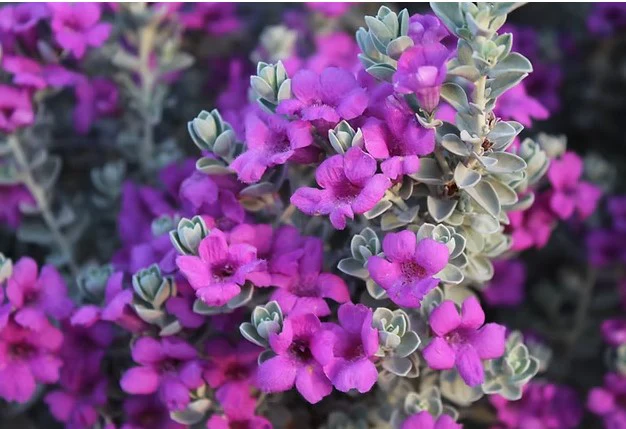
The Texas Sage plant is one of the most striking drought-tolerant shrubs used in modern landscaping. Known for its beautiful silver-green foliage and vibrant purple blooms, this hardy plant thrives even in hot and dry environments. Gardeners looking for a low-maintenance yet decorative shrub often choose this plant because Texas Sage plant care is simple and beginner-friendly.
Scientifically known as Leucophyllum frutescens, the Texas Sage plant is native to arid regions of North America. Because of its ability to tolerate heat and poor soil conditions, many gardeners appreciate how easy Texas Sage plant care can be once the plant is established.
Another fascinating characteristic of this shrub is that it often blooms after rainfall or periods of high humidity. With proper Texas Sage plant care, the plant produces clusters of purple or lavender flowers that brighten any landscape.
If you want to grow a beautiful yet resilient garden shrub, understanding Texas Sage plant care will help you maintain a healthy and long-lasting plant.
Quick Facts About Texas Sage Plant
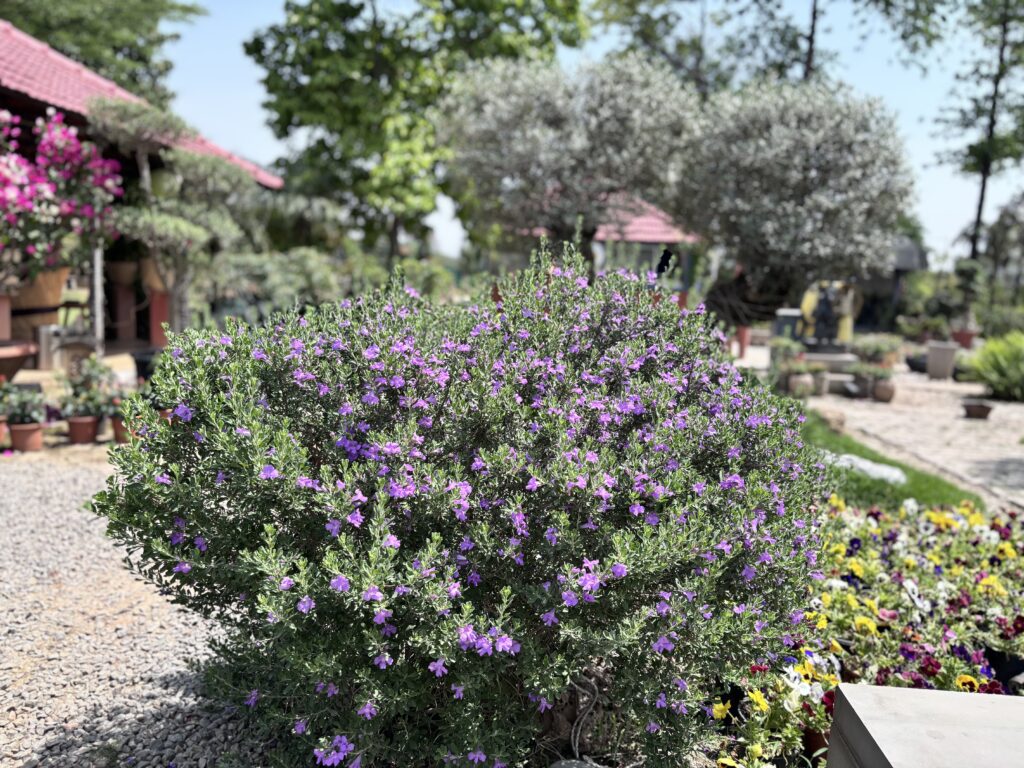
Before diving deeper into Texas Sage plant care, here are some basic facts about the plant.
Common Names: Texas Sage, Texas Ranger, Purple Sage
Botanical Name: Leucophyllum frutescens
Plant Type: Evergreen flowering shrub
Family: Scrophulariaceae
Native Region: Southwestern United States and Northern Mexico
Flower Colors: Purple, lavender, or pink
Plant Height: 5–8 feet
Understanding these characteristics is helpful when learning Texas Sage plant care because the plant naturally thrives in dry climates and sunny locations.
Why Gardeners Love Texas Sage
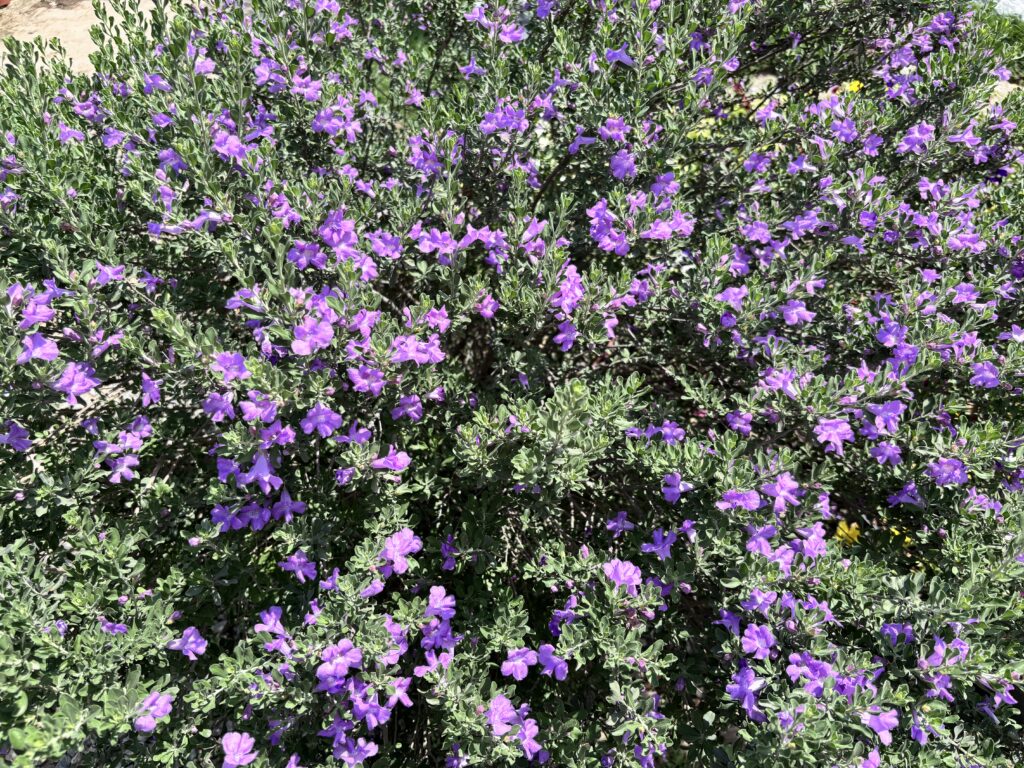
Many gardeners choose this shrub because Texas Sage plant care is extremely easy compared to many other ornamental plants.
One of the main reasons people love the plant is its ability to survive in harsh weather conditions. Even in hot climates where other plants struggle, proper Texas Sage plant care allows the shrub to flourish.
Another advantage of Texas Sage plant care is the plant’s beautiful foliage. The soft silver leaves create an elegant contrast with bright flowers, making the plant visually appealing throughout the year.
Because it requires minimal watering, Texas Sage plant care is also perfect for drought-resistant gardens or xeriscaping landscapes.
Best Growing Conditions for Texas Sage
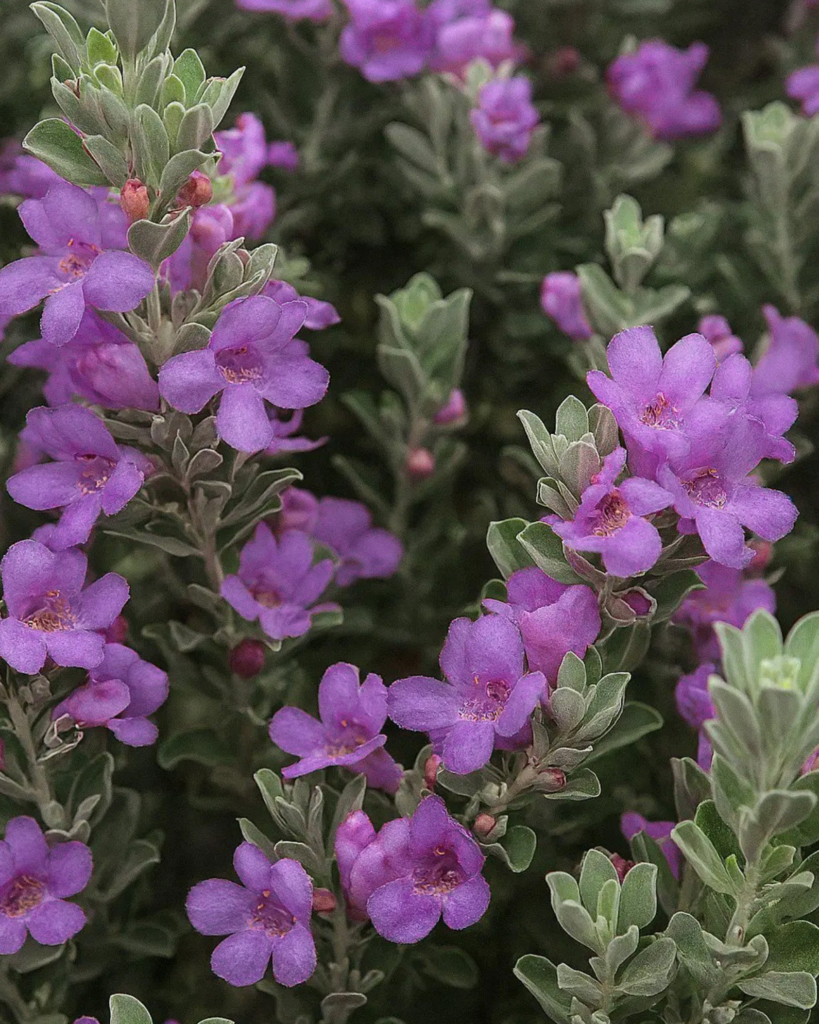
Understanding the right environment is essential for successful Texas Sage plant care.
This plant thrives in warm climates and prefers dry conditions. Gardeners practicing proper Texas Sage plant care often plant it in areas where it can receive plenty of sunlight and good air circulation.
The shrub grows best outdoors in open spaces such as gardens, driveways, and landscape borders. When planted in the right environment, Texas Sage plant care becomes extremely easy because the plant adapts well to natural weather conditions.
Sunlight Requirements
One of the most important aspects of Texas Sage plant care is sunlight.
The Texas Sage plant requires full sun to grow properly. Ideally, it should receive 6–8 hours of direct sunlight daily. Adequate sunlight helps the plant produce more flowers and maintain healthy growth.
Gardeners who follow correct Texas Sage plant care always choose sunny garden locations for planting. If the shrub is placed in too much shade, it may grow slowly and produce fewer blooms.
Providing sufficient sunlight ensures that Texas Sage plant care leads to vibrant foliage and regular flowering.
Watering Guide
Another major benefit of Texas Sage plant care is that the plant requires very little water.
During the early stages of growth, the plant should be watered regularly to help roots establish. Once mature, however, Texas Sage plant care becomes very simple because the shrub can tolerate drought.
Overwatering is one of the most common mistakes in Texas Sage plant care. The plant prefers dry soil conditions, so it is important to allow the soil to dry before watering again.
In most climates, watering once every 10–14 days is enough for proper Texas Sage plant care.
Soil Requirements
Well-draining soil is essential for healthy Texas Sage plant care.
The shrub grows best in sandy or rocky soil that allows excess water to drain quickly. Gardeners practicing proper Texas Sage plant care usually avoid heavy clay soil because it retains too much moisture.
A good soil mixture may include:
• Sandy garden soil
• Small gravel or stones
• Light organic compost
This combination helps maintain proper drainage, which is an important part of successful Texas Sage plant care.
Pruning and Maintenance Tips
One of the reasons gardeners prefer this shrub is that Texas Sage plant care requires very little maintenance.
Pruning should be done lightly to maintain the shape of the plant. Most gardeners practicing Texas Sage plant care trim the shrub once or twice a year after the flowering season.
Heavy pruning should be avoided because it may reduce flowering in the following season. Gentle shaping is usually enough for proper Texas Sage plant care.
With minimal pruning and occasional watering, the plant can remain healthy for many years.
Common Problems and Solutions
Although the plant is very hardy, gardeners learning Texas Sage plant care may occasionally encounter a few issues.
Yellow Leaves
This usually happens because of overwatering. Adjusting watering habits improves Texas Sage plant care.
Lack of Flowers
If the plant does not bloom well, it may not be receiving enough sunlight. Providing full sun improves Texas Sage plant care.
Root Rot
Poor drainage can cause root problems. Using well-draining soil is essential in Texas Sage plant care.
Fortunately, most problems can be easily avoided with proper gardening practices.
Landscaping Uses of Texas Sage
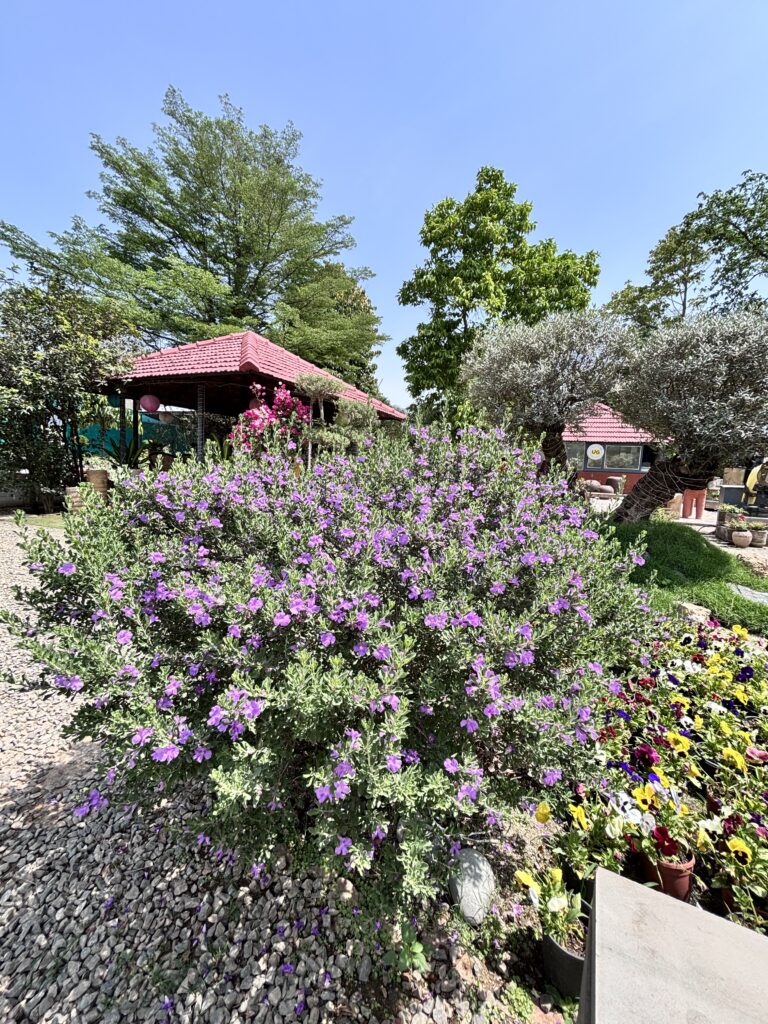
Because of its attractive foliage and colorful flowers, the Texas Sage plant is widely used in landscape design. Good Texas Sage plant care helps the shrub become a beautiful focal point in gardens.
Common landscaping uses include:
• Garden borders
• Decorative hedges
• Driveway landscaping
• Drought-tolerant gardens
• Outdoor garden beds
Landscape designers often recommend Texas Sage plant care because the plant requires little water and maintenance while still offering great visual appeal.
Benefits of Growing Texas Sage
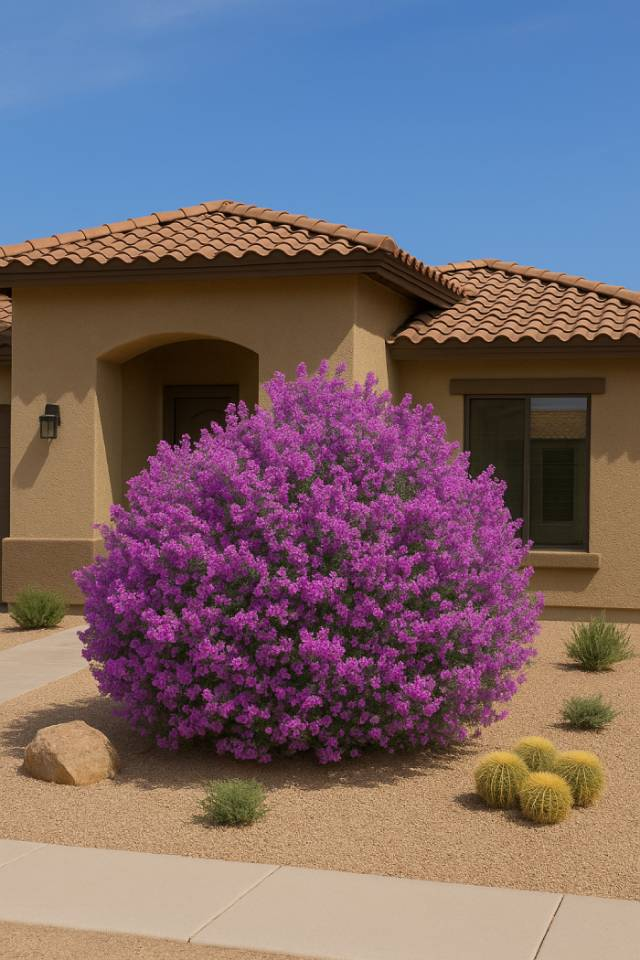
There are many reasons to include this plant in your garden. With proper Texas Sage plant care, the shrub offers both aesthetic and environmental benefits.
The plant enhances garden beauty with its vibrant purple flowers and silvery leaves. Gardeners who practice Texas Sage plant care often appreciate how the plant blooms after rainfall, creating a spectacular display.
Another benefit of Texas Sage plant care is that the flowers attract pollinators like bees and butterflies, which helps support garden ecosystems.
Because it thrives with little water, Texas Sage plant care is also an excellent choice for sustainable gardening.
Frequently Asked Questions
What is a Texas Sage plant?
The Texas Sage plant is a drought-tolerant shrub scientifically known as Leucophyllum frutescens, famous for its purple flowers and silver foliage.
Is Texas Sage easy to grow?
Yes, Texas Sage plant care is simple because the plant thrives in hot and dry conditions with minimal maintenance.
How often should Texas Sage be watered?
In most climates, proper Texas Sage plant care requires watering every 10–14 days once the plant is established.
Does Texas Sage attract pollinators?
Yes, good Texas Sage plant care encourages blooms that attract bees and butterflies.


Leave A Comment