
Rattlesnake Plant Indoor Care: Everything You Need to Know
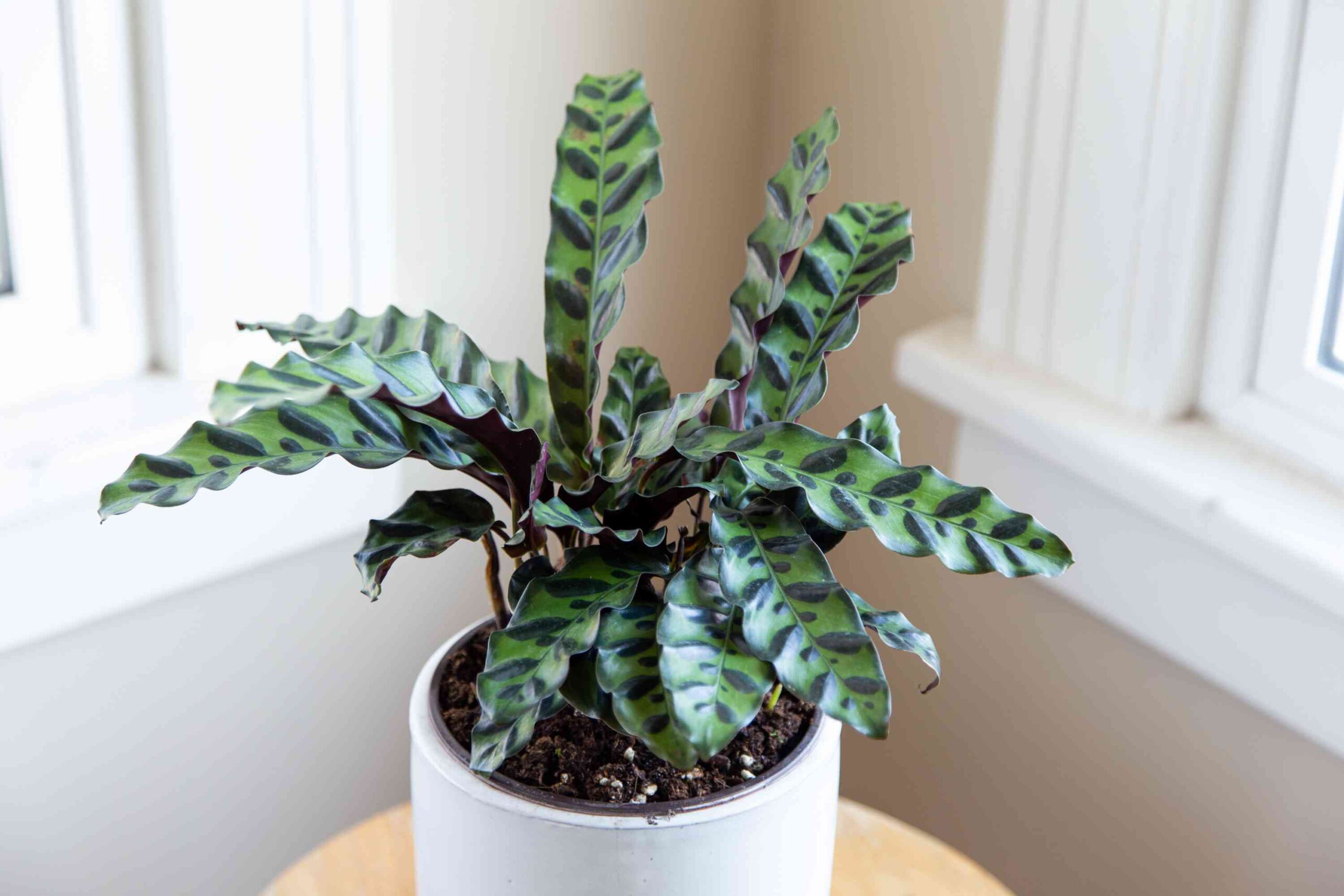
Indoor plants have become a favorite choice for homeowners looking to create a calming and refreshing environment. Among the most striking foliage plants available today is the Rattlesnake Plant, known for its uniquely patterned leaves and tropical charm. Understanding proper Rattlesnake Plant care helps maintain its beautiful foliage and ensures healthy growth throughout the year.
Scientifically known as Goeppertia insignis, the Rattlesnake Plant belongs to the Marantaceae family and is admired for its long, wavy leaves decorated with dark green patterns. Many plant enthusiasts enjoy Rattlesnake Plant care because it brings an exotic tropical look to indoor spaces while remaining relatively easy to maintain.
Whether you are a beginner or an experienced plant lover, learning the essentials of Rattlesnake Plant care will help you grow a healthy and vibrant indoor plant.
Plant Overview
| Feature | Details |
|---|---|
| Common Name | Rattlesnake Plant |
| Botanical Name | Goeppertia insignis |
| Plant Type | Tropical foliage plant |
| Family | Marantaceae |
| Leaf Color | Green with dark markings |
| Growth Habit | Upright and bushy |
| Best Placement | Indoor bright spaces |
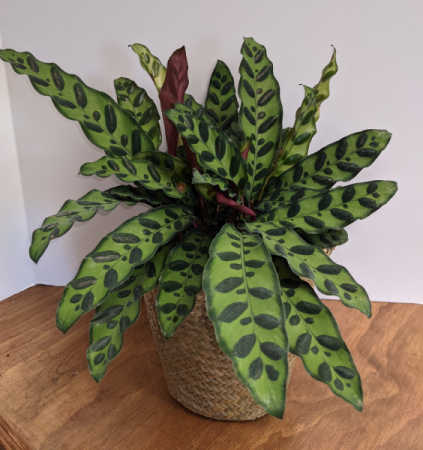
The unique leaf patterns make Rattlesnake Plant care highly rewarding for indoor gardeners.
Why Plant Lovers Choose Rattlesnake Plant
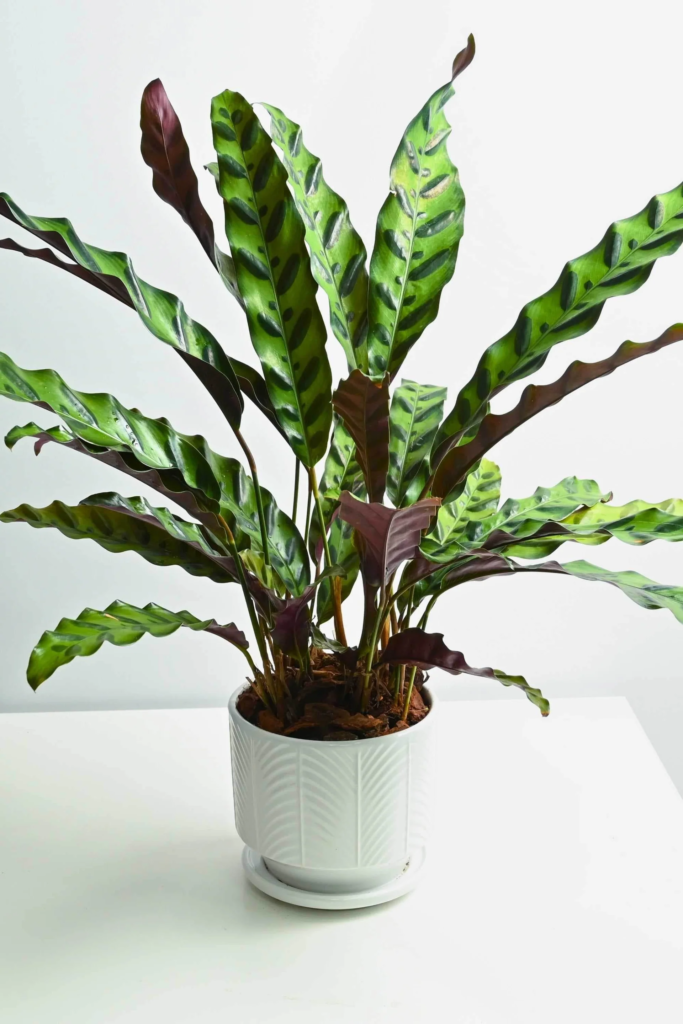
One of the main reasons people love this plant is its dramatic foliage. The leaves feature bold markings that resemble a rattlesnake’s skin, giving the plant its popular name.
Another reason Rattlesnake Plant care is so popular is the plant’s ability to thrive indoors. It adapts well to indoor conditions and adds a tropical touch to homes and offices.
The attractive foliage makes the plant a natural focal point in any indoor plant collection.
Best Light Conditions
Lighting plays an important role in successful Rattlesnake Plant care.
The plant grows best in bright indirect sunlight. Filtered light helps maintain the vibrant leaf patterns and healthy growth.
Direct sunlight should be avoided because it can fade the foliage and scorch the leaves.
Low light conditions are tolerated, but growth may become slower.
Proper lighting is one of the most important aspects of Rattlesnake Plant care.
Watering Requirements
Consistent moisture is essential for healthy Rattlesnake Plant care.
The plant prefers slightly moist soil and should be watered when the top layer begins to dry. Avoid allowing the soil to become completely dry for extended periods.
Overwatering should also be avoided because waterlogged soil can cause root rot.
Balanced watering helps maintain healthy foliage and supports proper Rattlesnake Plant care.
Best Soil Mix
Choosing the right soil improves root health and overall plant growth.
A suitable soil mix for Rattlesnake Plant care includes:
- Coco peat
- Garden soil
- Organic compost
- Perlite or sand
This mixture provides good drainage while retaining enough moisture for healthy roots.
A pot with drainage holes is recommended to prevent excess water accumulation.
Temperature and Humidity
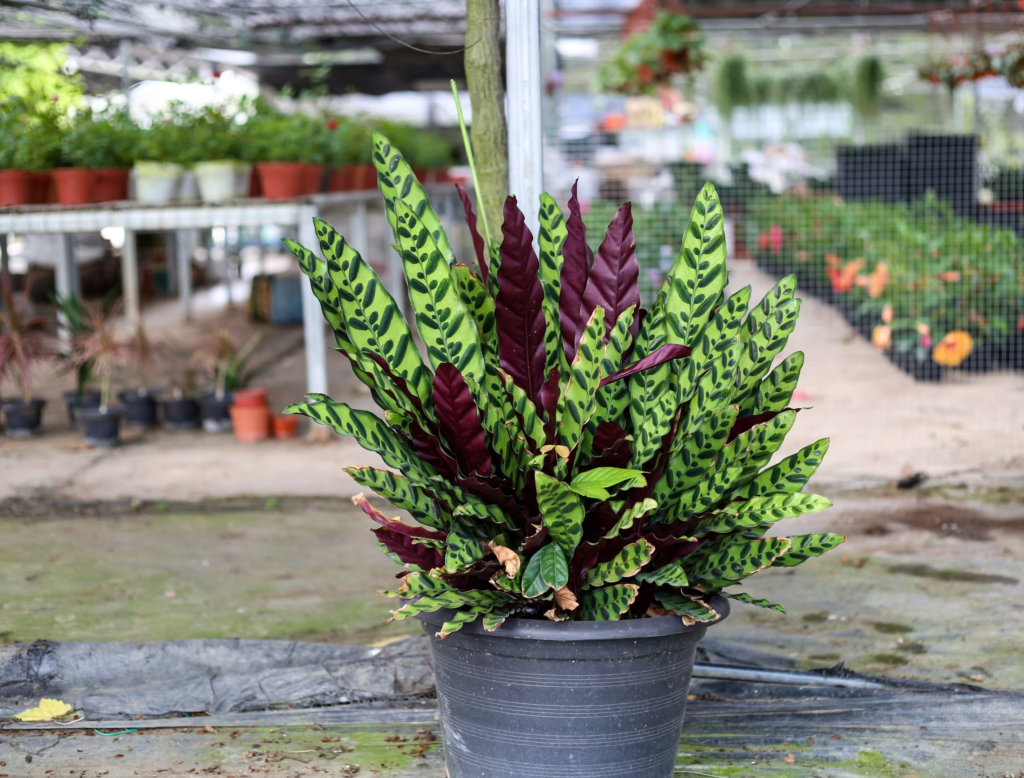
Humidity is extremely important for healthy Rattlesnake Plant care.
The plant thrives in temperatures between 18°C and 30°C and prefers moderate to high humidity levels.
Regular misting or placing the plant near a humidifier can help maintain ideal conditions.
Avoid exposing the plant to cold drafts, air conditioners, or heaters.
Warm and humid conditions encourage healthy Rattlesnake Plant care and lush foliage growth.
Fertilizer Tips
Regular feeding helps maintain vibrant leaves and steady growth.
Use a balanced liquid fertilizer every 4–6 weeks during the growing season.
Organic compost can also improve soil fertility and support healthy Rattlesnake Plant care.
Avoid excessive fertilizer applications, as they may damage the roots.
Pruning and Maintenance
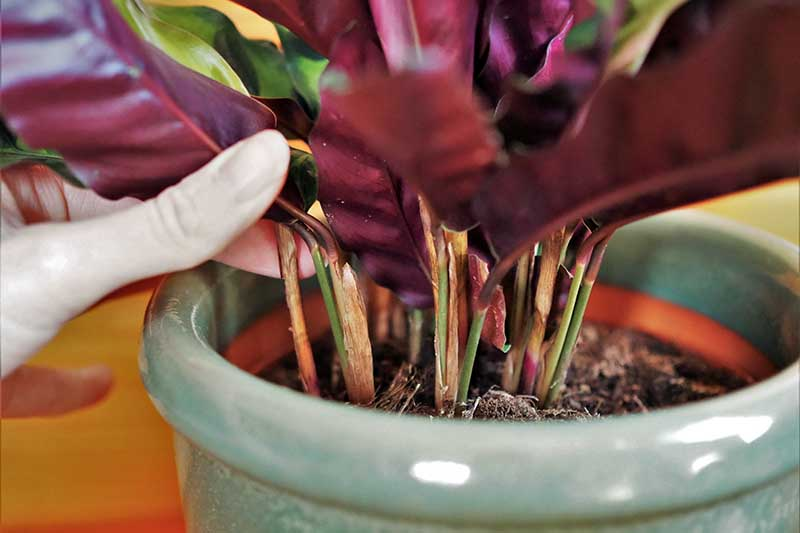
Minimal pruning is needed to keep the plant looking attractive.
Remove yellow, dry, or damaged leaves regularly as part of routine Rattlesnake Plant care.
Cleaning dust from the leaves occasionally helps improve light absorption and keeps the foliage looking fresh.
With proper maintenance, the plant remains healthy and decorative year-round.
Common Problems and Solutions
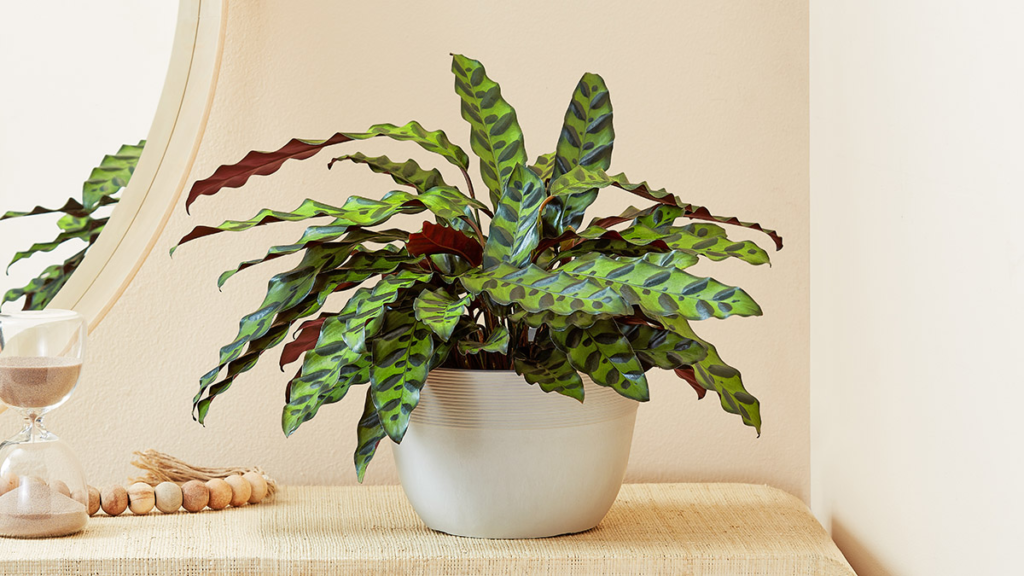
Although the plant is relatively easy to grow, a few issues may occasionally occur.
Brown Leaf Edges
Usually caused by low humidity or inconsistent watering.
Yellow Leaves
Often linked to overwatering or poor drainage.
Curling Leaves
May indicate underwatering or dry air conditions.
Faded Patterns
Insufficient light can reduce the intensity of the leaf markings.
Regular observation helps maintain healthy Rattlesnake Plant care.
Decorative Uses of Rattlesnake Plant
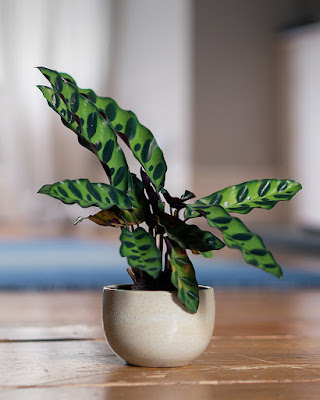
The striking foliage makes this plant highly decorative for indoor spaces.
The plant is commonly used for:
- Living room décor
- Office desks
- Bedroom corners
- Indoor plant shelves
- Tropical indoor gardens
Its unique foliage creates a bold visual impact and enhances interior design.
The exotic appearance of the plant makes Rattlesnake Plant care popular among indoor plant collectors.
Benefits of Growing a Rattlesnake Plant
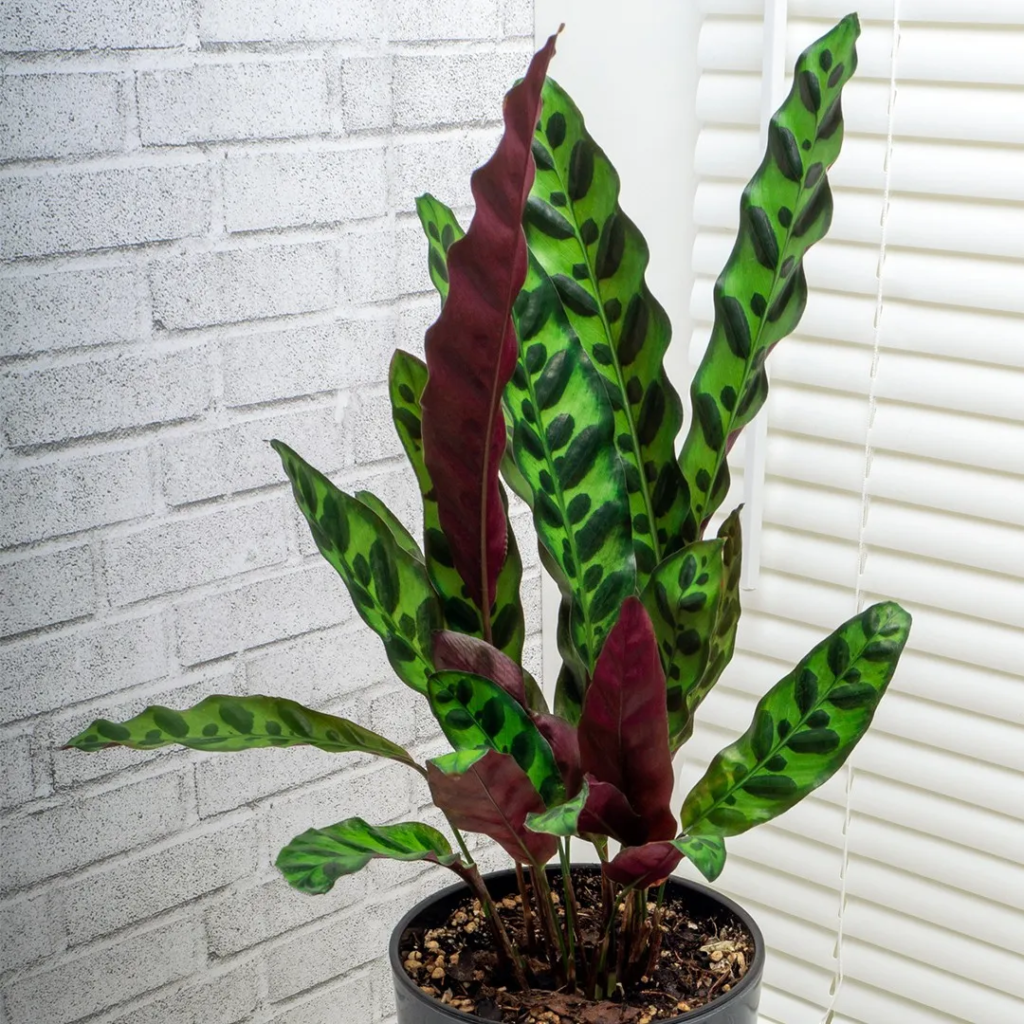
There are several advantages to growing this beautiful foliage plant.
Unique Decorative Foliage
The patterned leaves make it one of the most visually appealing indoor plants.
Suitable for Indoor Spaces
The plant adapts well to homes and offices.
Creates a Tropical Atmosphere
Its lush foliage adds a refreshing tropical feel to interiors.
Beginner-Friendly
With proper watering and humidity, Rattlesnake Plant care is manageable for beginners.
Compact Growth Habit
The plant fits well in apartments and smaller spaces.
Because of these benefits, Rattlesnake Plant care remains popular among indoor gardeners.
How to Propagate Rattlesnake Plant
The easiest method of propagation is division.
When repotting a mature plant, carefully separate healthy clumps and plant them in fresh potting mix.
Keep the newly divided plants slightly moist until new growth appears.
Proper propagation techniques help expand your collection while maintaining successful Rattlesnake Plant care.
Best Placement for Rattlesnake Plant
Choosing the right location improves overall growth.
The plant grows best in:
- Bright indoor corners
- Near east-facing windows
- Office desks with indirect light
- Bedroom plant stands
- Indoor tropical plant collections
Avoid placing the plant in harsh direct sunlight.
A warm and humid environment supports healthy Rattlesnake Plant care.
FAQs
What is a Rattlesnake Plant?
The Rattlesnake Plant is a tropical foliage plant scientifically known as Goeppertia insignis, famous for its patterned leaves.
Does the Rattlesnake Plant need direct sunlight?
No, bright indirect light is ideal for healthy growth.
How often should I water a Rattlesnake Plant?
Water when the top layer of soil begins to dry while keeping the soil slightly moist.
Can a Rattlesnake Plant grow indoors?
Yes, proper Rattlesnake Plant care makes it an excellent indoor plant.
Why are my Rattlesnake Plant leaves curling?
Curling leaves may result from underwatering, low humidity, or environmental stress.


Leave A Comment