

Fitonia Plant Benefit: Why This Beautiful Nerve Plant Is Perfect for Indoor Spaces
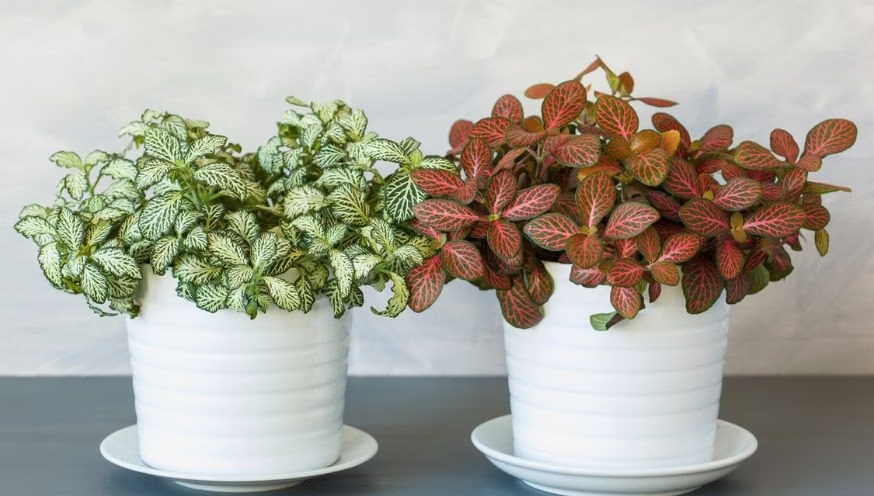
The Fittonia plant, often known as the Nerve Plant, is one of the most attractive decorative plants used in indoor gardening. Its delicate leaves with colorful vein patterns make it a favorite among plant lovers who enjoy unique foliage plants. The plant is compact, visually appealing, and perfect for small indoor spaces.
Many people grow this plant not only for its beauty but also for the various fitonia plant benefit factors it offers. From enhancing interior décor to helping create a refreshing indoor environment, this small plant can make a big impact in homes and offices.
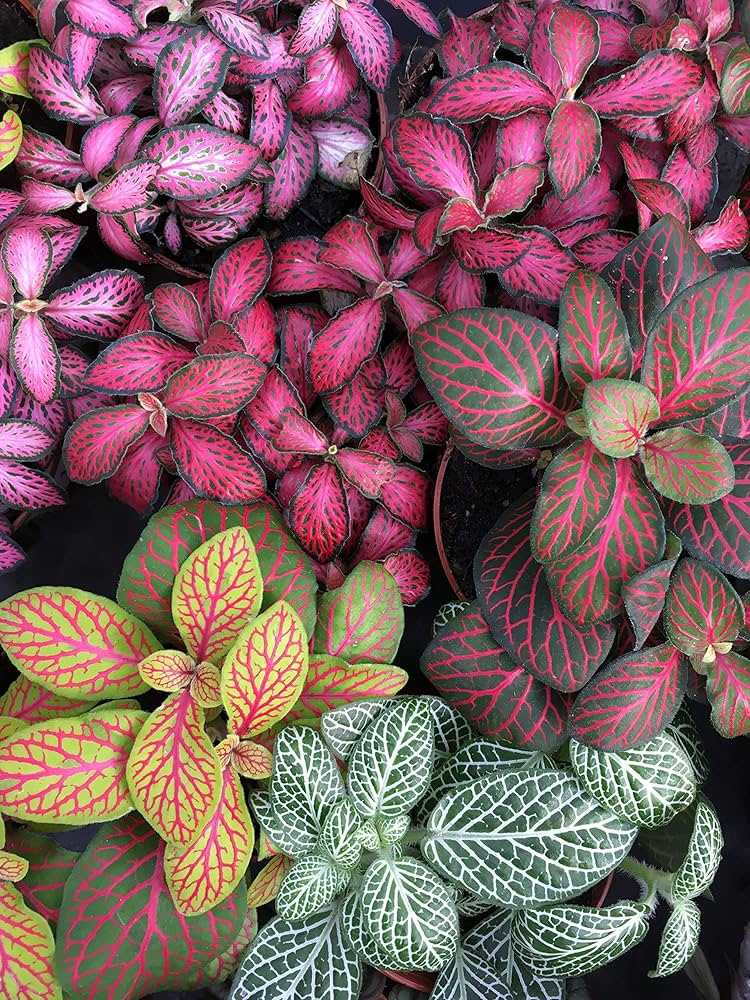
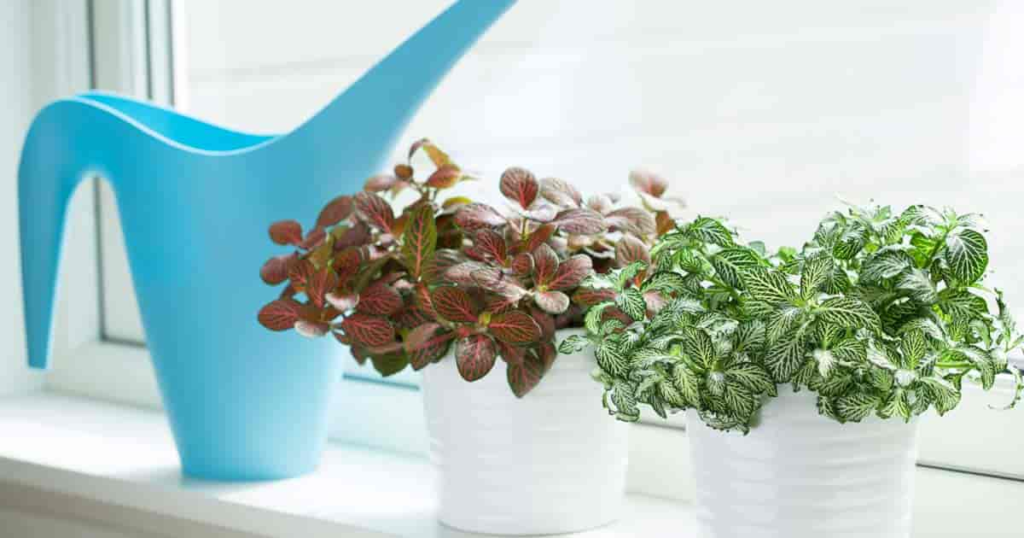
Fittonia plants come in several varieties with beautiful vein colors such as white, pink, and red. These vibrant patterns create a striking contrast against the dark green leaves, making the plant look almost like a piece of living artwork.
When you understand proper care and growing conditions, the fitonia plant’s benefits become even more noticeable, as the plant remains healthy, lush, and visually appealing for a long time.
Plant Snapshot
Here are some quick details about the Fittonia plant:
Common name: Fittonia, Nerve Plant
Scientific name: Fittonia albivenis
Plant family: Acanthaceae
Plant type: Tropical indoor foliage plant
Native region: South America
Growth habit: Low-growing and spreading
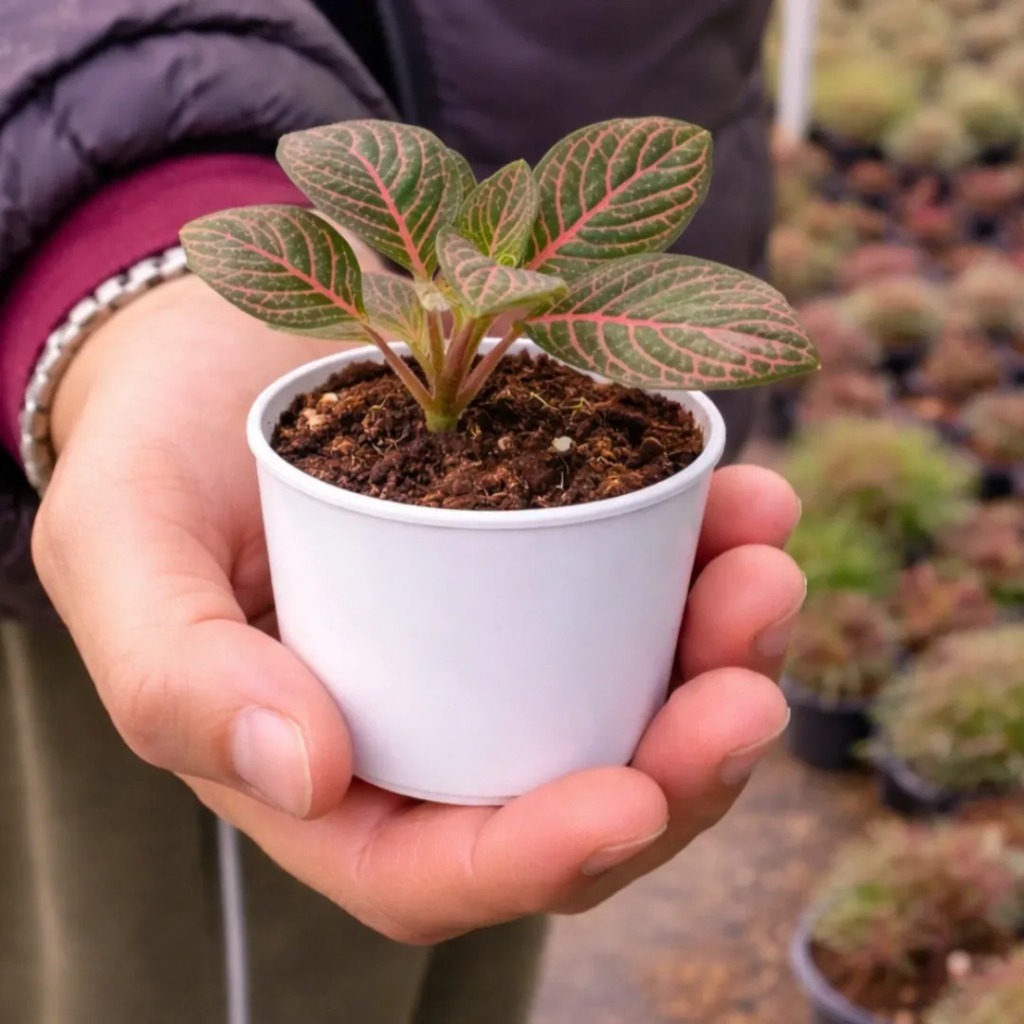
Average height: 6 to 12 inches
Best placement: Indoor shelves, terrariums, desks, or decorative pots
Because of its small size and beautiful foliage, the plant is widely used for indoor decoration.
Why Plant Lovers Love Fittonia
One of the main reasons gardeners appreciate the Fittonia plant is its unique leaf pattern. The colorful veins running through the leaves create a delicate and artistic appearance that stands out among other indoor plants.
Another factor that makes this plant popular is its compact growth habit. Unlike large houseplants, Fittonia remains relatively small, which makes it ideal for desks, shelves, and small decorative spaces.
Additionally, many people enjoy the fitonia plant benefit of using it in terrariums. Because the plant thrives in humid environments, it grows very well inside glass containers and decorative terrariums.
Its vibrant foliage also makes it a perfect choice for people who want to add color and texture to indoor plant arrangements.
How to Grow Fittonia Indoors
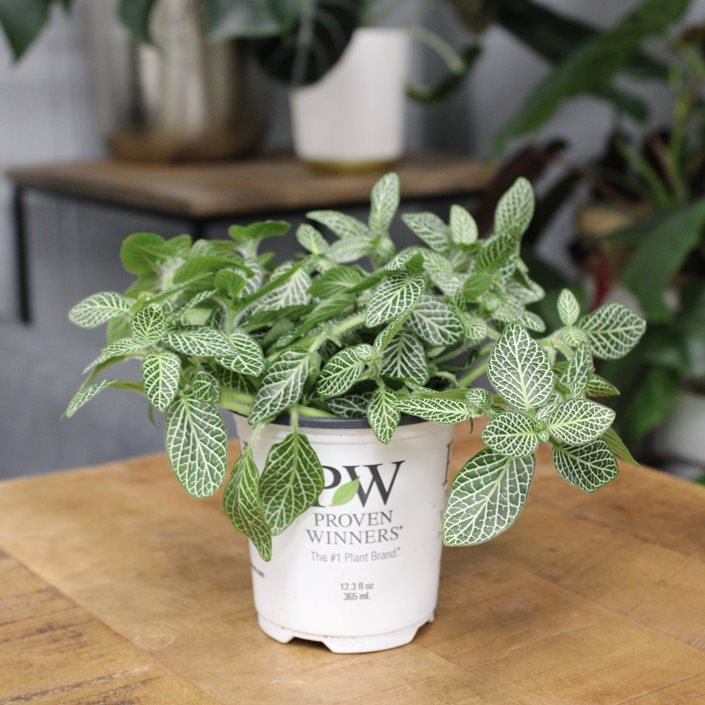
Growing Fittonia indoors can be very rewarding if the plant receives the right growing conditions. Since it is a tropical plant, it prefers slightly warm, humid environments.
The plant grows best in bright indirect sunlight. Too much direct sunlight can damage the delicate leaves, while very low light may reduce the brightness of its vein patterns.
Watering should be done regularly to maintain slightly moist soil. Fittonia plants do not like completely dry soil, so maintaining consistent moisture is important.
Well-draining soil is essential for proper plant health. A mixture containing potting soil, coco peat, and perlite works well because it allows both moisture retention and drainage.
Maintaining these conditions helps maximize the fitonia plant benefit, as the plant remains lush and vibrant.
Styling Fittonia in Your Home
Because of its beautiful leaf patterns, the Fittonia plant works wonderfully as a decorative element in indoor spaces.
It can be placed on office desks where its vibrant foliage adds freshness to the workspace. Many plant lovers also use Fittonia on shelves or coffee tables to create a soft and natural aesthetic.
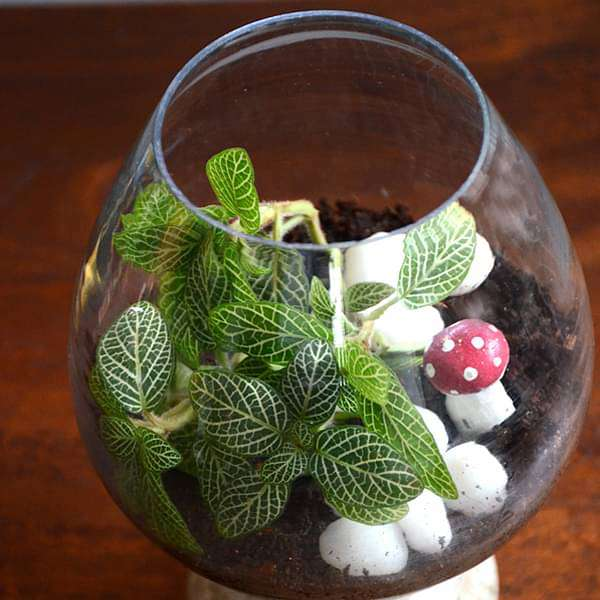
Another popular use of the plant is in glass terrariums. Since the plant enjoys humid environments, terrariums provide an ideal growing space while also creating a beautiful decorative display.
Fittonia also pairs well with other small indoor plants, allowing gardeners to create creative plant arrangements.
Simple Care Routine
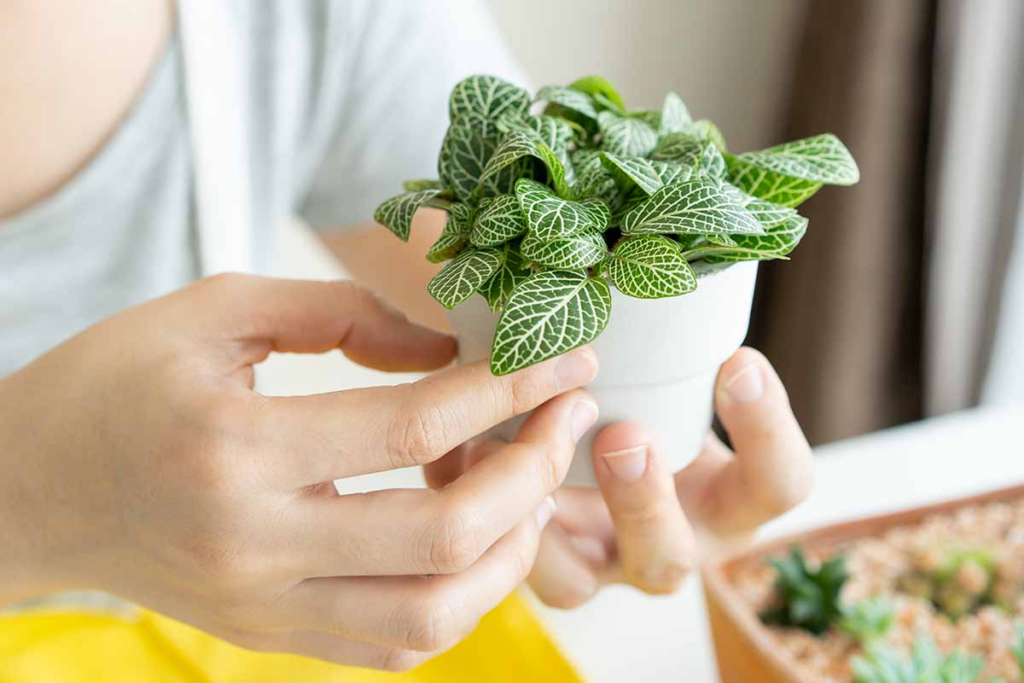
Maintaining a healthy Fittonia plant does not require complicated routines. Following a few simple habits can help keep the plant thriving.
Helpful care tips include:
• Keep the plant in bright but indirect sunlight
• Maintain slightly moist soil at all times
• Avoid exposing the plant to very dry air
• Mist the leaves occasionally to increase humidity
• Use well-draining soil to prevent root issues
These practices help maintain healthy growth and maximize the fitonia plant benefit.
Problems You May Notice
Even though Fittonia is relatively easy to grow, it may occasionally show signs of stress if its growing conditions are not suitable.
One common issue is wilting leaves, which often occurs when the plant becomes too dry. Fortunately, Fittonia usually recovers quickly after watering.
Another issue may be yellow leaves, which can be caused by excessive watering or poor drainage.
Dry air may also cause leaf edges to become brown or crispy.
Most of these problems can be solved by adjusting watering habits and maintaining proper humidity levels.
Interesting Facts About Fittonia
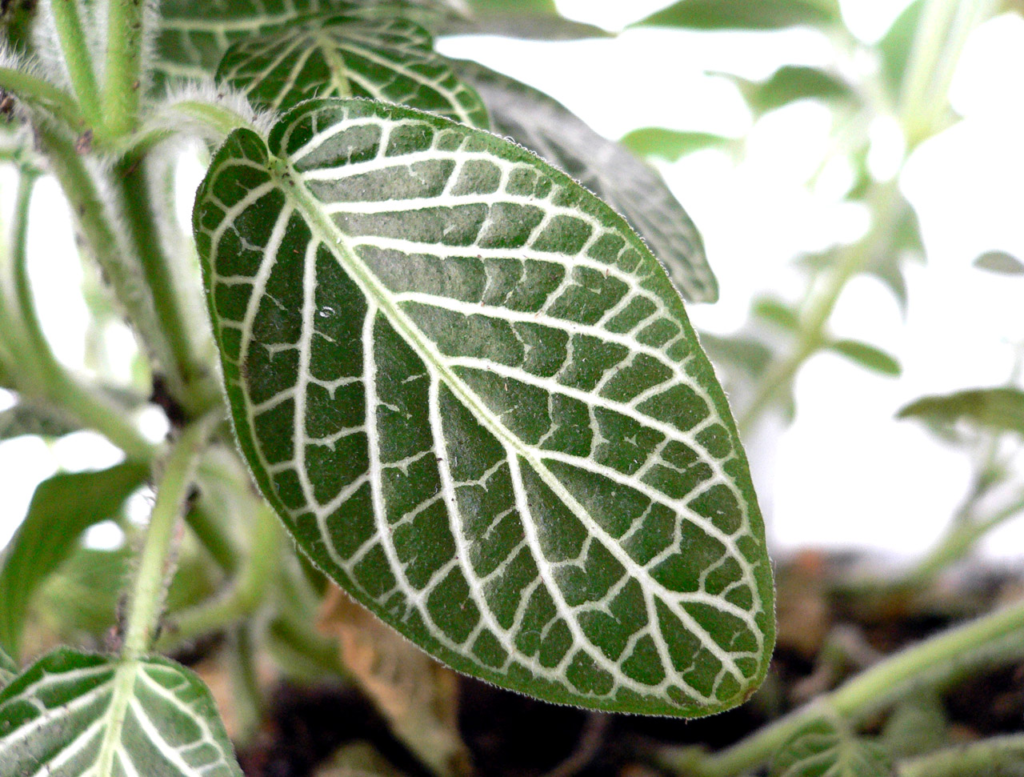
The Fittonia plant has several interesting features that make it unique.
• It is commonly called the Nerve Plant because of its vein-like leaf patterns.
• The plant is native to tropical rainforests of South America.
• It is widely used in terrariums and indoor plant displays.
• Fittonia plants are available in several color varieties including pink, white, and red veins.
These characteristics make the plant both decorative and fascinating for plant enthusiasts.
Key Fitonia Plant Benefits for Indoor Spaces
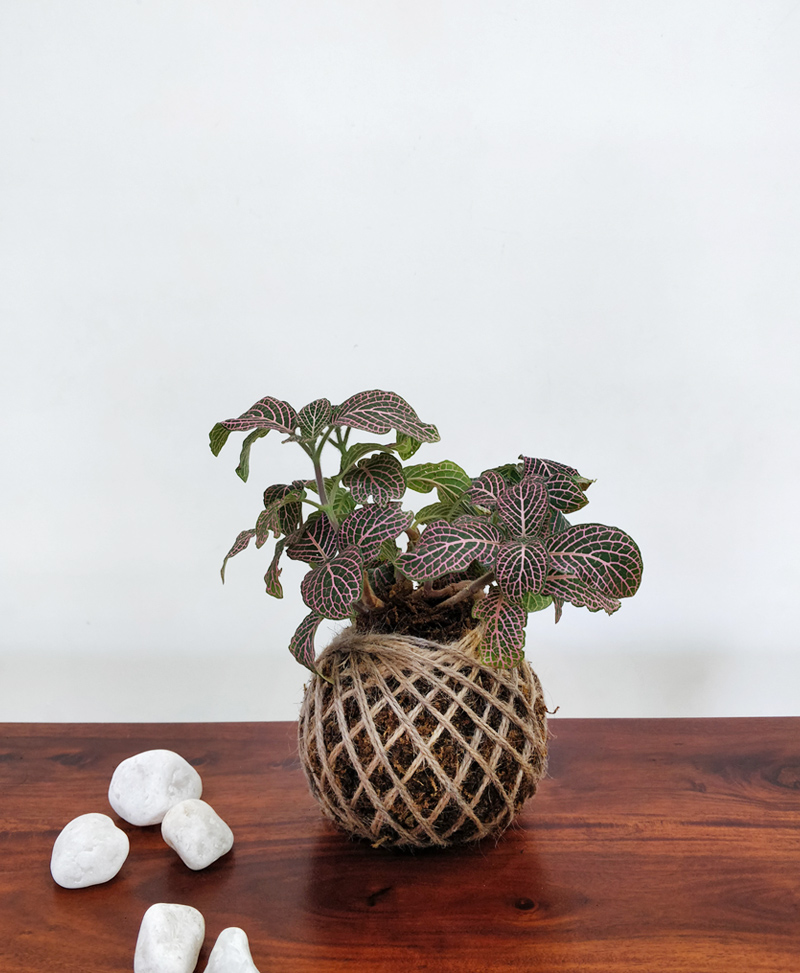
Growing Fittonia indoors offers several advantages for plant lovers.
Some important fitonia plant benefit factors include:
• Enhances interior décor with colorful foliage
• Compact plant suitable for small spaces
• Ideal for terrariums and decorative displays
• Helps create a refreshing indoor atmosphere
• Easy to grow with basic care
Because of these benefits, the Fittonia plant continues to remain a favorite choice for indoor gardening.
Frequently Asked Questions
1. Is Fittonia a good indoor plant?
Yes, the Fittonia plant is an excellent indoor plant because of its compact size and decorative foliage.
2. How often should I water Fittonia?
Fittonia prefers slightly moist soil. Water the plant when the top layer of soil begins to dry.
3. Can Fittonia grow in low light?
Fittonia can tolerate moderate light conditions, but bright indirect sunlight helps maintain its vibrant leaf colors.
4. Why are my Fittonia leaves wilting?
Wilting usually occurs when the plant becomes too dry. Watering the plant usually helps it recover quickly.


Leave A Comment