

Croton Plant Care Guide: How to Grow Bright and Colorful Leaves Indoors
Indoor plants are a great way to add color and life to your home, and the Croton plant is one of the most vibrant options available. Known for its bold, multicolored leaves, this plant can instantly brighten any space. If you want to maintain its stunning appearance, understanding Croton plant care is essential.
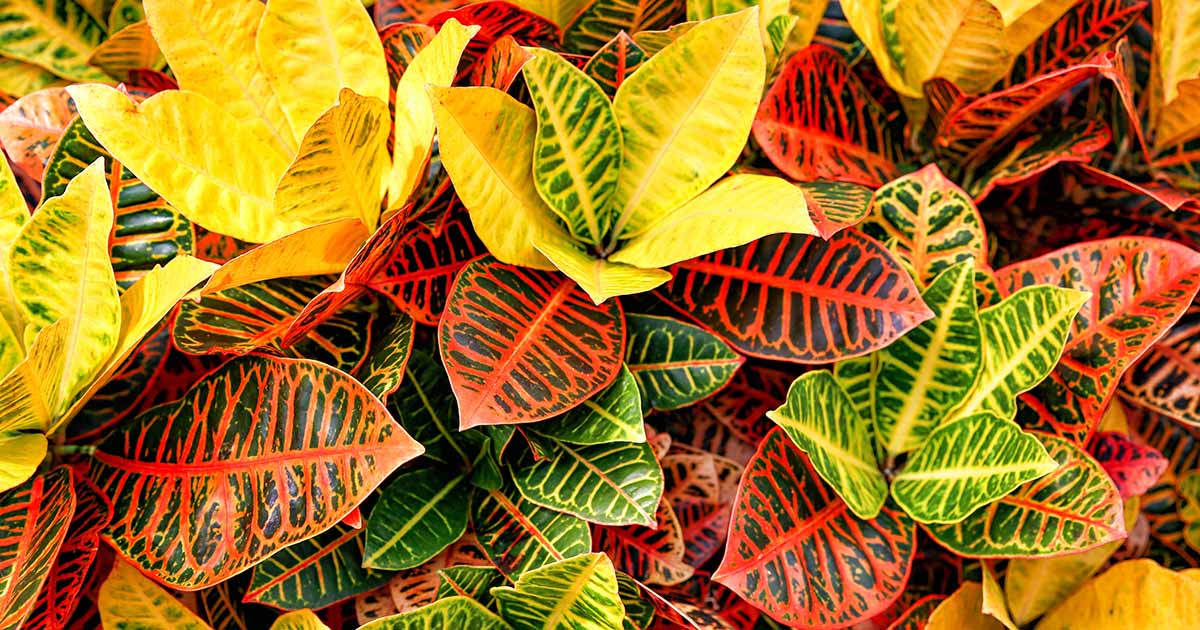
The Croton plant, scientifically known as Codiaeum variegatum, is popular for its striking mix of green, yellow, red, and orange leaves. With proper Croton plant care, the plant develops intense colors and grows into a beautiful indoor decorative piece.
Whether you are a beginner or an experienced plant lover, learning Croton plant care will help you grow a healthy and colorful plant at home.
Plant Overview
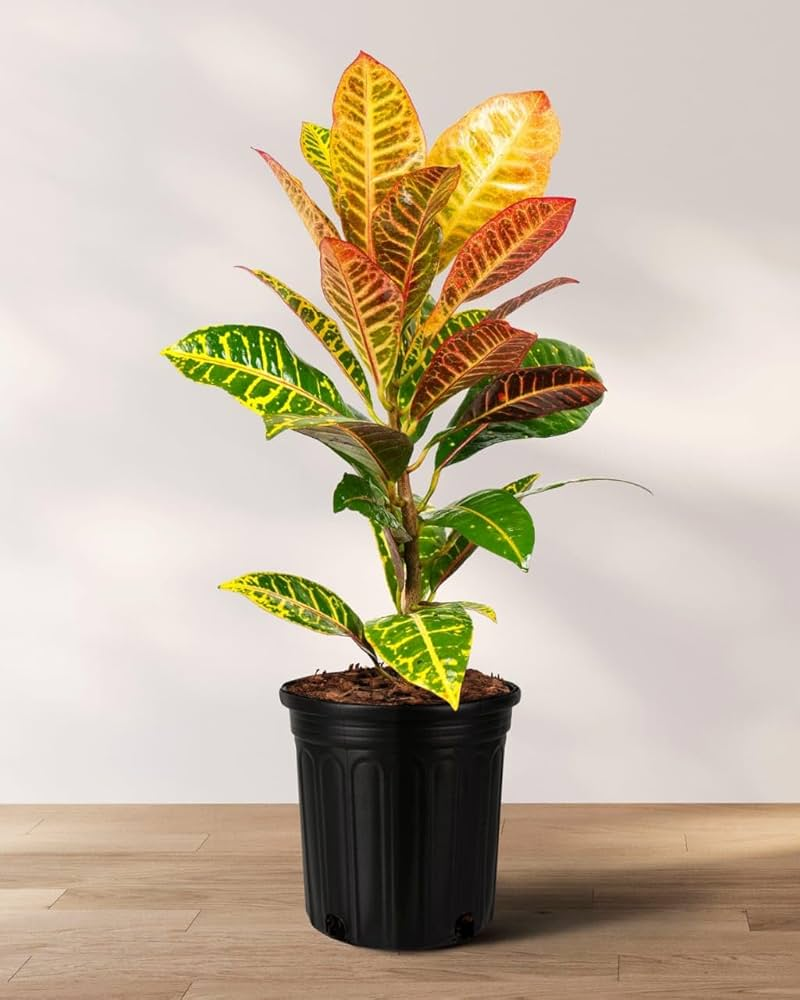
Before learning about Croton plant care, it is helpful to understand the plant’s basic characteristics.
Common Name: Croton Plant
Botanical Name: Codiaeum variegatum
Plant Type: Ornamental foliage plant
Family: Euphorbiaceae
Native Region: Southeast Asia and Pacific Islands
Growth Habit: Upright shrub
Leaf Colors: Green, yellow, red, orange
Best Placement: Indoor with bright light
The Croton plant is mainly grown for its colorful leaves. Proper Croton plant care ensures that these colors remain vibrant and healthy
Why Grow Croton Plant
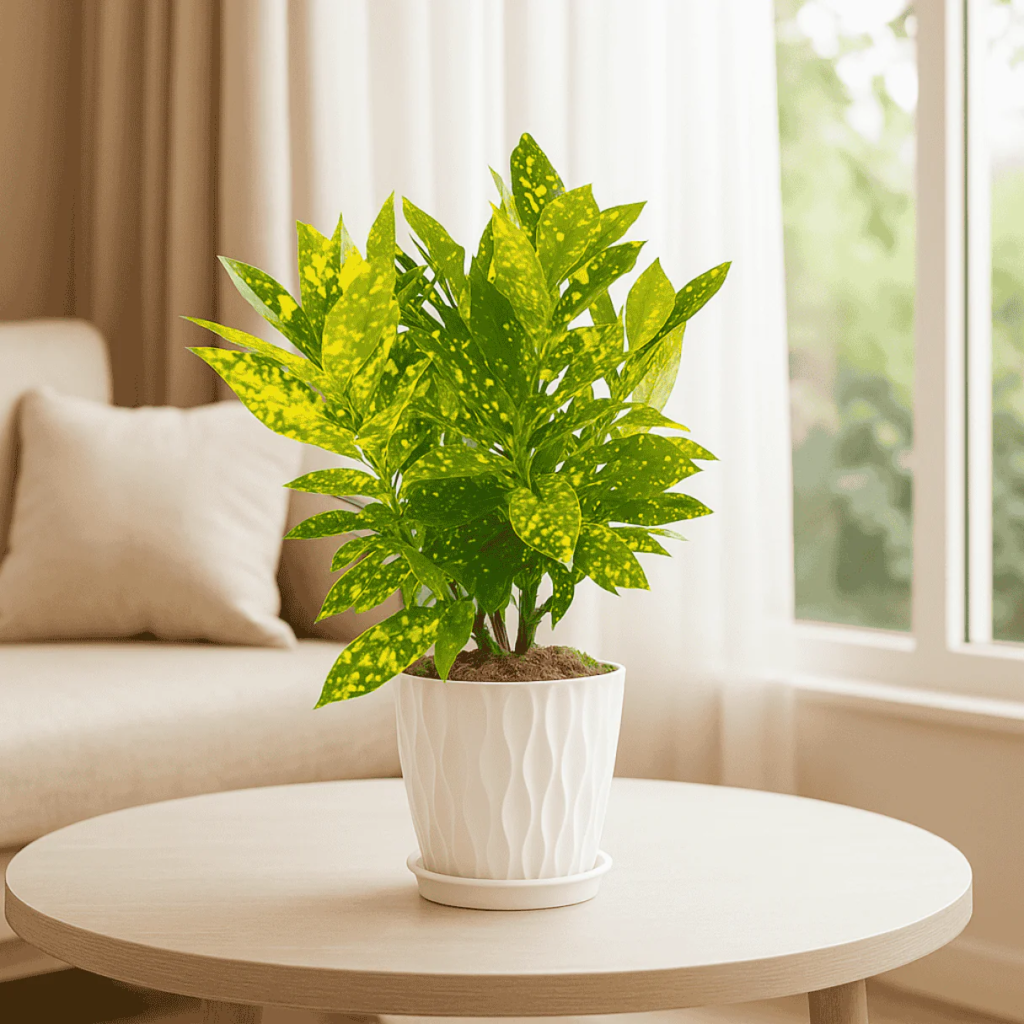
There are many reasons why gardeners love this plant. One of the biggest advantages of Croton plant care is its decorative value.
The plant’s bright foliage makes it a perfect statement piece for homes and offices. With proper Croton plant care, the plant becomes a focal point in any room.
Another reason to grow it is its variety. Different types of Croton plants offer unique leaf shapes and color patterns. Learning Croton plant care allows you to enjoy these variations.
Because of its bold appearance, Croton plant care is popular among indoor plant enthusiasts.
Light Requirements
Lighting is one of the most important aspects of Croton plant care.
The plant requires bright indirect sunlight to maintain its vibrant colors. Placing it near a window with good light is ideal for proper Croton plant care.
Insufficient light can cause the leaves to lose their color and become dull. Gardeners who understand Croton plant care ensure that the plant receives enough brightness throughout the day.
Some direct morning sunlight is beneficial, but harsh afternoon sun should be avoided.
Watering Needs
Watering plays a crucial role in maintaining healthy growth. Proper Croton plant care involves keeping the soil consistently moist.
The plant should be watered when the top layer of soil feels slightly dry. Overwatering can lead to root rot, while underwatering may cause leaf drop.
Balanced watering is essential for effective Croton plant care. During summer, the plant may require more frequent watering compared to winter.
Maintaining proper moisture helps the plant stay healthy and vibrant.
Soil and Potting Mix
Choosing the right soil is essential for successful Croton plant care.
The plant grows best in well-draining soil rich in organic matter. A suitable soil mix includes:
• Garden soil
• Coco peat
• Organic compost
• Sand or perlite
This combination helps retain moisture while allowing proper drainage, which is important in Croton plant care.
Using pots with drainage holes also prevents water accumulation.
Humidity and Temperature
Since it is a tropical plant, humidity plays an important role in Croton plant care.
The plant thrives in moderate to high humidity. Occasional misting helps maintain moisture levels and improves Croton plant care.
The ideal temperature range is between 18°C and 30°C, making it suitable for indoor conditions.
Avoid placing the plant near air conditioners or heaters, as sudden temperature changes can affect growth.
Fertilizing Tips
Feeding the plant is important for maintaining vibrant foliage. Proper Croton plant care includes regular fertilization.
Use a balanced liquid fertilizer every 2–4 weeks during the growing season. This supports healthy growth and enhances leaf color.
During winter, fertilization should be reduced as part of proper Croton plant care.
Pruning and Maintenance
Regular pruning helps maintain the shape of the plant. Proper Croton plant care includes trimming damaged or overgrown leaves.
Pruning also encourages bushier growth and improves the overall appearance. Gardeners practicing Croton plant care often prune occasionally to keep the plant compact.
With minimal maintenance, the plant continues to grow beautifully.
Common Problems and Solutions
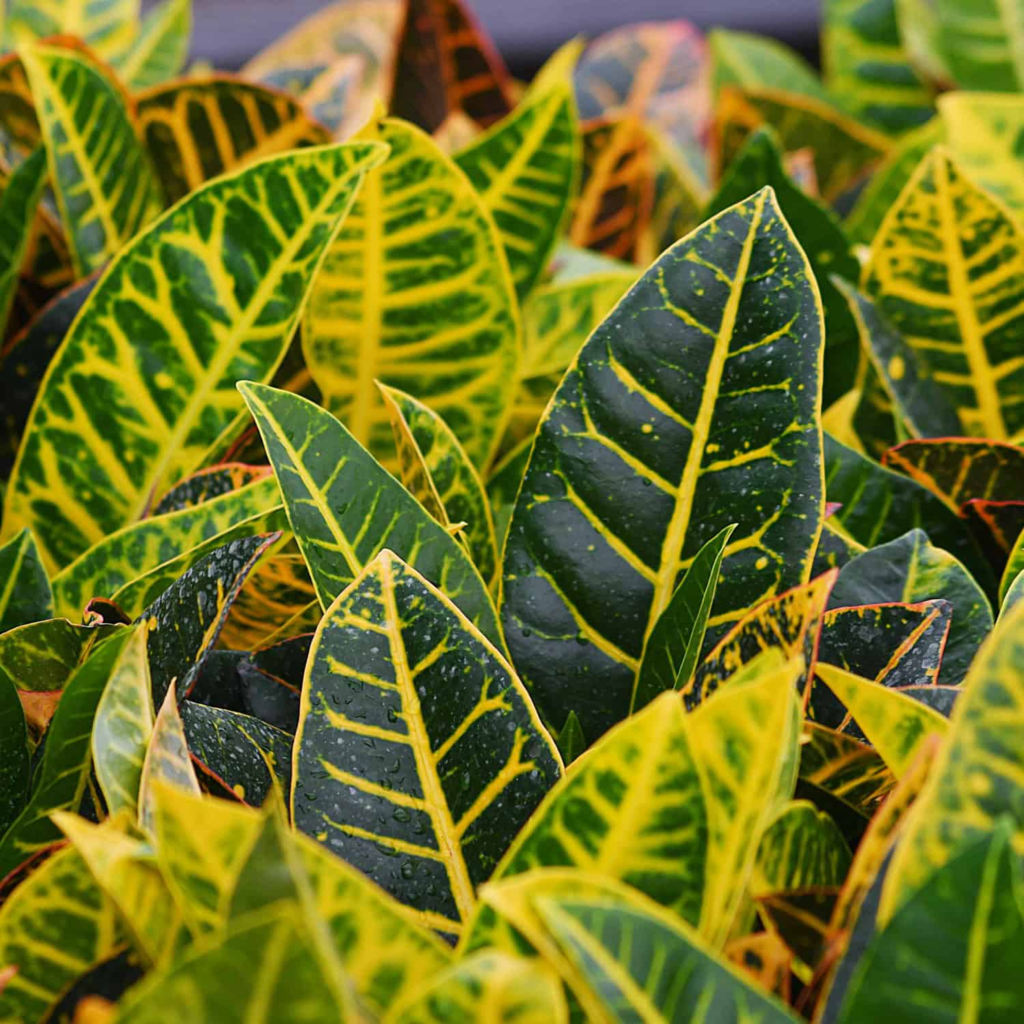
Although the plant is easy to grow, some issues may occur during Croton plant care.
Leaf Drop:
Often caused by sudden temperature changes or improper watering.
Dull Leaves:
Insufficient light may reduce leaf color.
Pests:
Spider mites and mealybugs may appear occasionally.
Regular monitoring helps maintain healthy Croton plant care.
Decorative Uses
The Croton plant is widely used for interior decoration. Proper Croton plant care makes it ideal for:
• Living rooms
• Office spaces
• Indoor plant corners
• Balcony gardens
Its colorful leaves add energy and vibrancy to any space.
Benefits of Growing Croton Plant
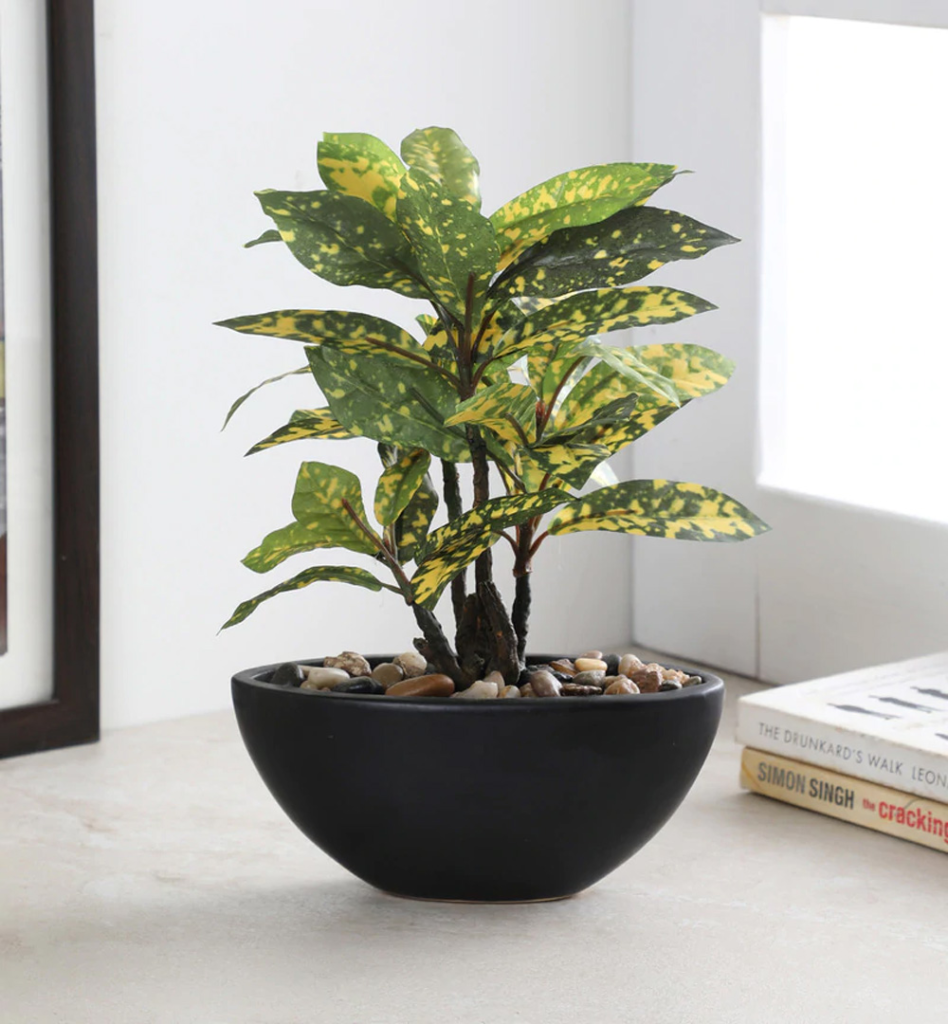
There are several benefits of growing this plant. Proper Croton plant care enhances indoor aesthetics with bright foliage.
The plant also creates a refreshing atmosphere and adds a tropical feel to interiors. Many plant lovers enjoy practicing Croton plant care because of its visual appeal.
Its bold colors make it a favorite choice for home décor.
Frequently Asked Questions
What is a Croton plant?
It is an ornamental plant scientifically known as Codiaeum variegatum, famous for its colorful leaves.
Is Croton easy to grow?
Yes, Croton plant care is simple once you understand its light and watering needs.
Why are my Croton leaves falling?
Leaf drop may occur due to sudden environmental changes or improper Croton plant care.
Can Croton grow indoors?
Yes, with proper Croton plant care, it grows well indoors.


Leave A Comment