

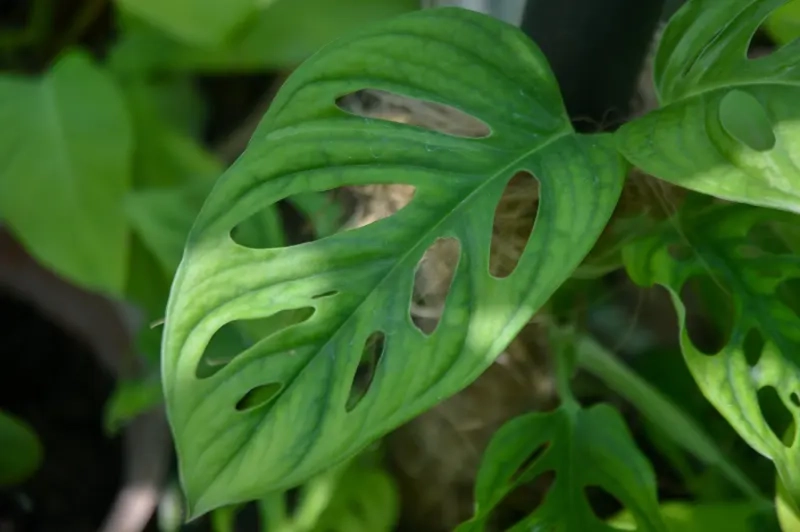
Broken Heart Plant with Moss Stick Care Guide: Tips for Faster Growth and Healthier Leaves
Indoor plants have become an essential part of modern home décor, bringing freshness, beauty, and a natural atmosphere into living spaces. Among the many popular climbing plants, the Broken Heart Plant is admired for its unique foliage and elegant appearance. When grown as a Broken Heart Plant with moss stick, this plant becomes even more attractive because it grows vertically and develops fuller leaves.
The Broken Heart Plant with moss stick is loved by plant enthusiasts because it combines beauty with easy care. Whether placed in a living room, office corner, or balcony garden, the Broken Heart Plant with moss stick creates a tropical and stylish look. With proper care, the Broken Heart Plant with moss stick grows quickly and produces lush vines that climb beautifully along the support pole.
If you are looking for a plant that is decorative, beginner-friendly, and easy to maintain, the Broken Heart Plant with moss stick is an excellent choice for your indoor plant collection.
Plant Overview
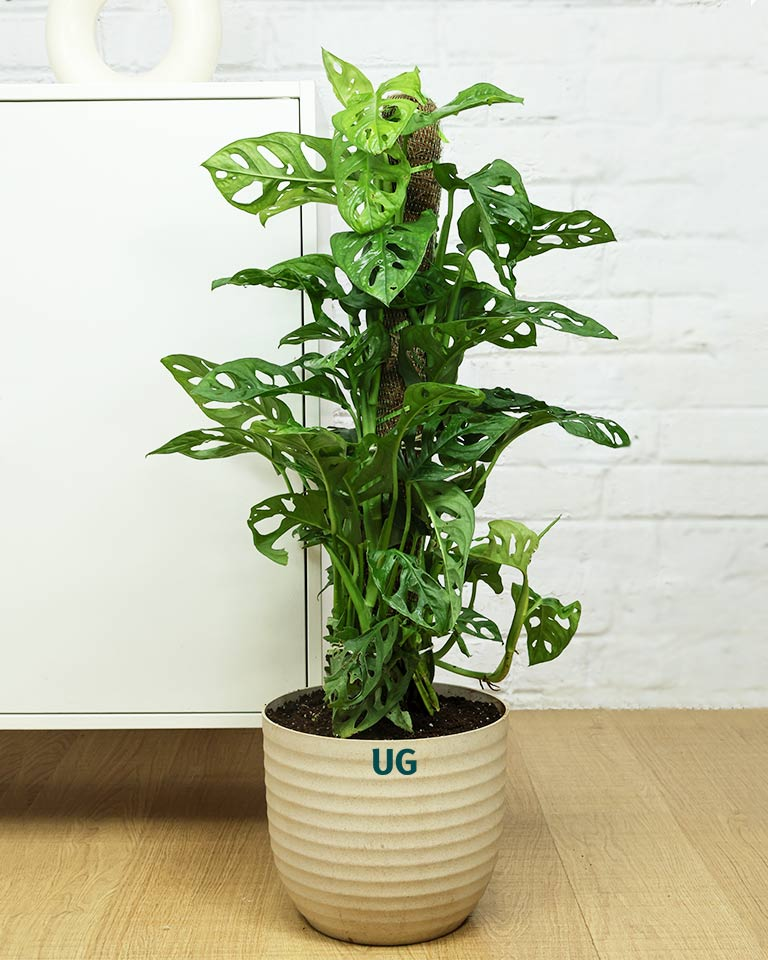
Before learning about plant care, it is helpful to understand some basic information about the Broken Heart Plant with moss stick.
The plant commonly referred to as the Broken Heart Plant is scientifically known as Monstera adansonii, a tropical climbing plant famous for its heart-like leaves with natural holes. These unique leaves give the plant a striking decorative appearance.
Common Name: Broken Heart Plant
Botanical Name: Monstera adansonii
Plant Type: Tropical climbing vine
Plant Family: Araceae
Native Region: Central and South America
Growth Habit: Climbing vine
Best Support: Moss stick or moss pole
Ideal Placement: Indoor areas with bright indirect light
In its natural environment, the Broken Heart Plant with moss stick climbs trees and grows toward sunlight. Because of this climbing habit, growing a Broken Heart Plant with moss stick indoors helps mimic its natural growth pattern and keeps the plant healthy.
Why a Moss Stick is Important for Broken Heart Plant
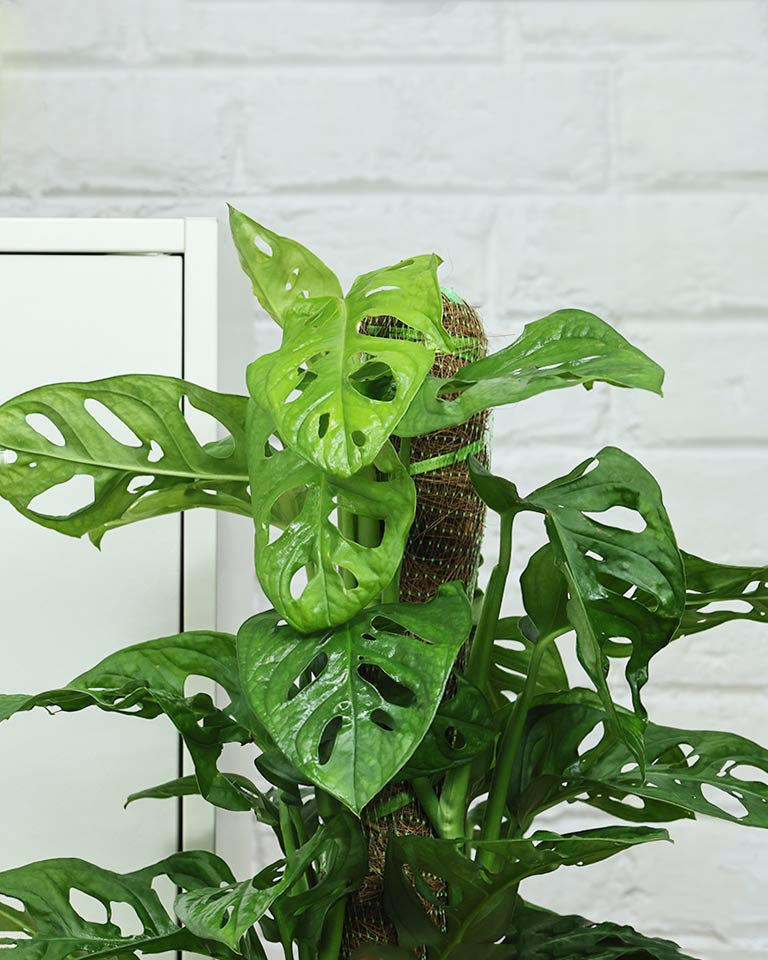
A moss stick plays a very important role in the growth of the Broken Heart Plant with moss stick. In tropical forests, climbing plants naturally attach themselves to tree trunks. A moss pole replicates that natural structure inside homes.
When the Broken Heart Plant with moss stick grows vertically, the stems become stronger, and the leaves grow larger. Without support, the vines may trail downwards, but the Broken Heart Plant with moss stick looks more structured and attractive when it climbs upward.
Another benefit of growing a Broken Heart Plant with a humoss stick is that the moss pole retains moisture. The aerial roots of the Broken Heart Plant with moss stick attach to the moss surface and absorb humidity, which helps the plant grow faster and healthier.
Because of these advantages, many indoor gardeners prefer training their Broken Heart Plant with moss stick on a moss pole rather than allowing it to spread horizontally.
Light Requirements
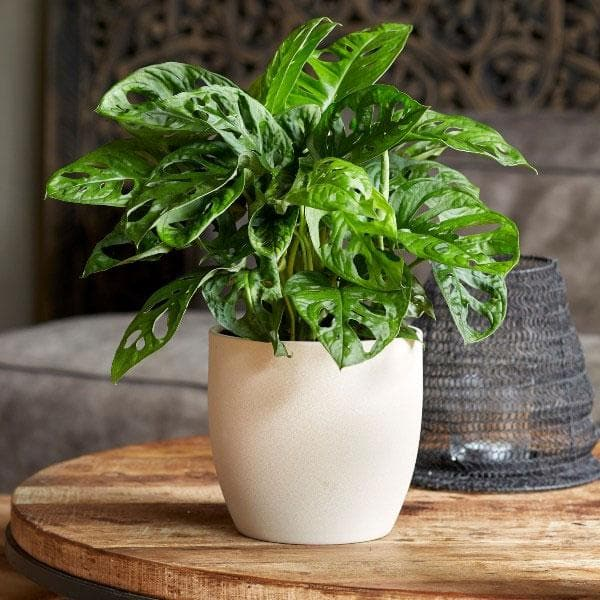
Lighting plays a major role in maintaining a healthy Broken Heart Plant with moss stick. Like most tropical plants, it prefers bright but indirect sunlight.
The ideal placement for the Broken Heart Plant with moss stick is near a window where filtered sunlight enters the room. Bright indirect light encourages the Broken Heart Plant with moss stick to produce healthy leaves and climb actively.
Direct sunlight should be avoided because it can burn the delicate leaves of the Broken Heart Plant with moss stick. On the other hand, very low light conditions may slow the growth of the Broken Heart Plant with moss stick and reduce leaf size.
If natural light is limited, the Broken Heart Plant with moss stick can also grow under artificial grow lights. This makes it suitable for offices, apartments, and indoor plant corners.
Watering Needs
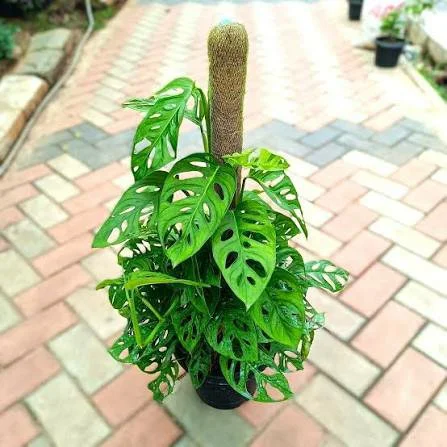
Proper watering is essential for maintaining a healthy Broken Heart Plant with moss stick. This plant prefers slightly moist soil but does not tolerate excessive watering.
The best method is to water the Broken Heart Plant with moss stick when the top layer of soil begins to dry. Allowing the soil to partially dry between watering helps prevent root rot.
Overwatering may cause yellow leaves on the Broken Heart Plant with moss stick, while underwatering may lead to drooping leaves. Maintaining a balanced watering routine ensures that the Broken Heart Plant with moss stick remains vibrant and healthy.
During warmer months, the Broken Heart Plant with moss stick may need watering more frequently. In winter, the Broken Heart Plant with moss stick requires less water because plant growth slows down.
Soil and Potting Mix
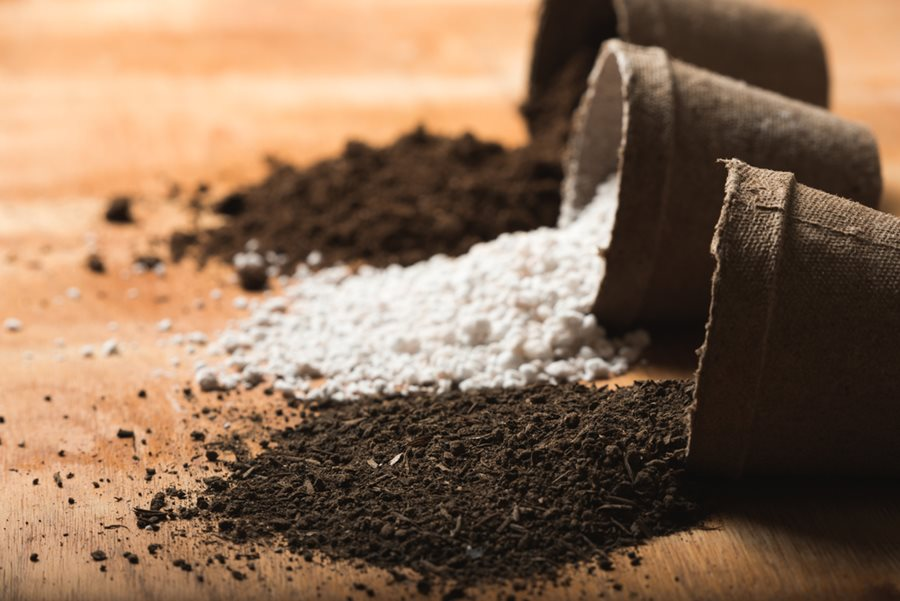
A well-draining potting mix is essential for the healthy growth of the Broken Heart Plant with moss stick.
The ideal soil mixture for the Broken Heart Plant with moss stick should allow proper drainage while still retaining some moisture. Many gardeners prepare a mix that includes:
• Garden soil
• Coco peat
• Perlite or sand
• Organic compost
This type of mixture supports strong root development in the Broken Heart Plant with moss stick while preventing water accumulation.
It is also important to choose a pot with drainage holes so that excess water can escape easily. Proper soil and drainage help the Broken Heart Plant with moss stick grow faster and maintain healthy foliage.
Humidity and Temperature
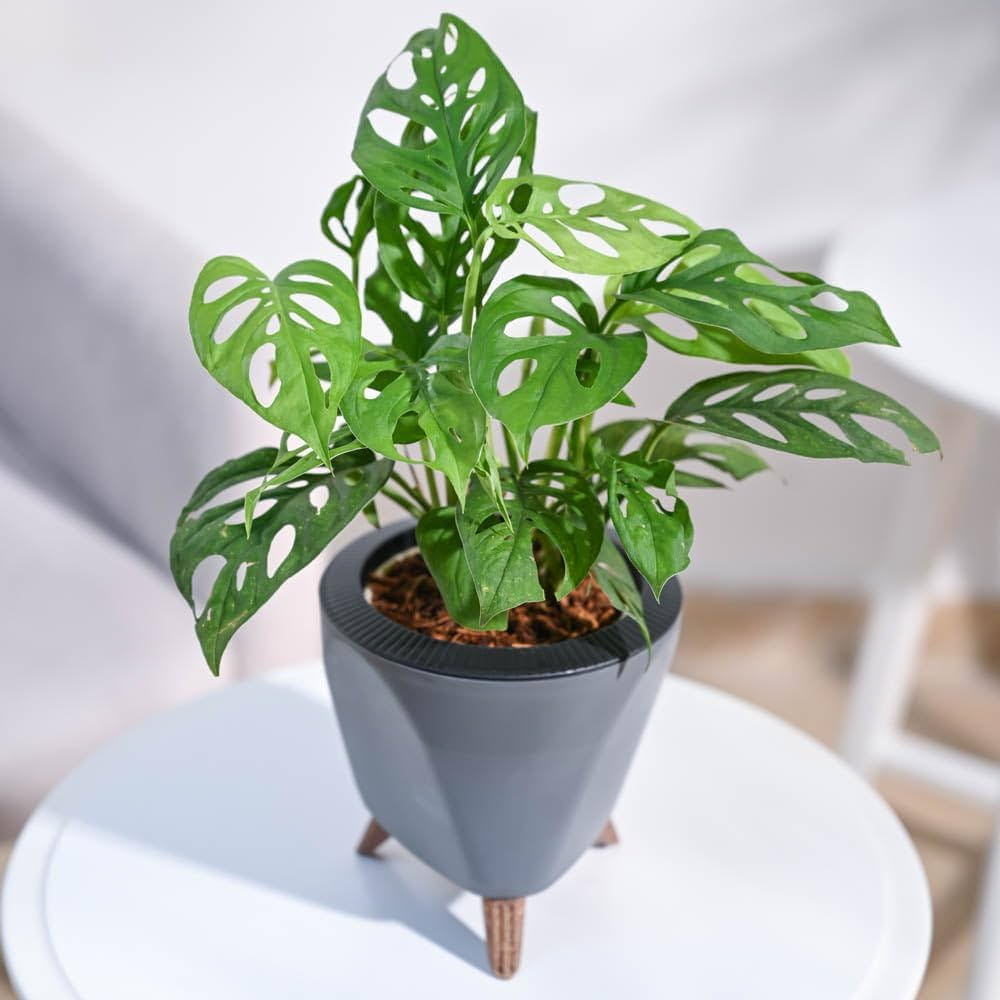
Because the Broken Heart Plant with moss stick originates from tropical rainforests, it naturally prefers humid conditions.
Average indoor humidity works well for the Broken Heart Plant with moss stick, but occasional misting can help keep the leaves fresh and healthy. Lightly misting the Broken Heart Plant with moss stick also helps mimic its natural tropical environment.
The ideal temperature for the Broken Heart Plant with moss stick ranges between 18°C and 30°C. This temperature range is comfortable for most indoor environments.
Avoid placing the Broken Heart Plant with moss stick near strong air conditioners, heaters, or cold drafts. Sudden temperature changes may affect the growth and health of the Broken Heart Plant with moss stick.
Training the Plant on a Moss Stick
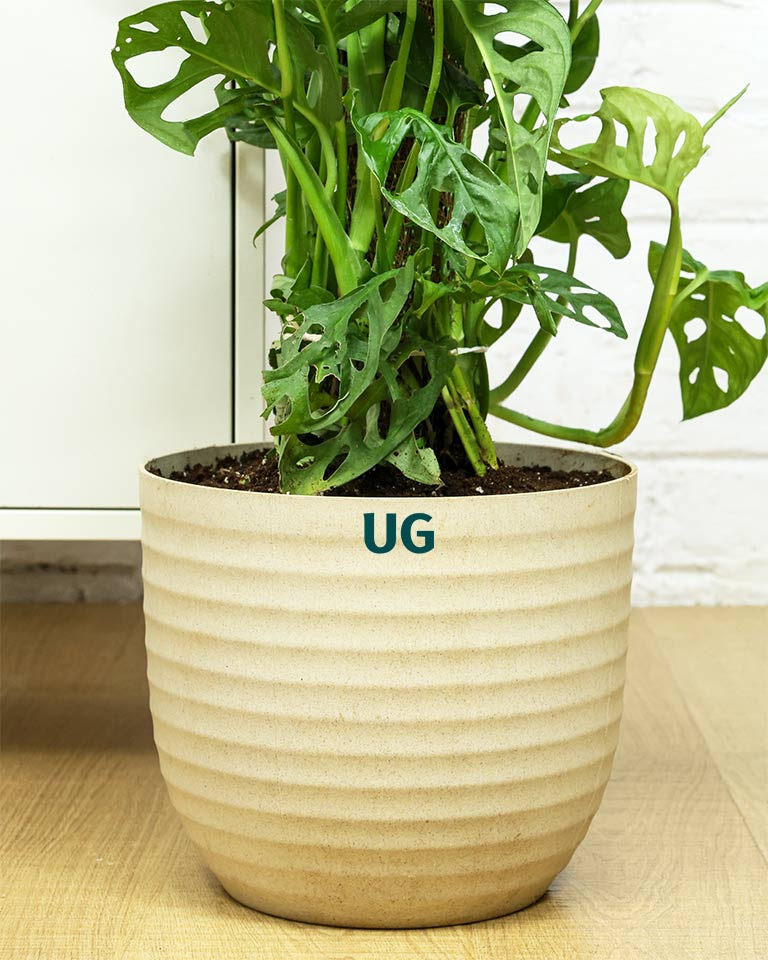
Training the Broken Heart Plant with a moss stick to climb is a simple process and improves the plant’s appearance.
When the vines of the Broken Heart Plant with moss stick start growing longer, gently attach them to the moss pole using soft plant ties or clips. Over time, the aerial roots of the Broken Heart Plant with moss stick will naturally attach to the moss surface.
Keeping the moss stick slightly moist encourages the aerial roots of the Broken Heart Plant with moss stick to grip the pole more easily.
With consistent care, the Broken Heart Plant with moss stick will climb upward and form a beautiful vertical display of lush green foliage.
Common Problems and Solutions
Although the Broken Heart Plant with moss stick is relatively easy to grow, a few common problems may occasionally appear.
Yellow Leaves:
This often occurs due to overwatering or poor drainage. Reducing watering frequency usually helps the Broken Heart Plant with moss stick recover.
Brown Leaf Edges:
Low humidity or excessive sunlight may cause brown edges on the Broken Heart Plant with moss stick. Increasing humidity can solve this problem.
Slow Growth:
If the Broken Heart Plant with moss stick grows slowly, it may not be receiving enough light or nutrients. Improving lighting conditions can help boost growth.
Regular observation ensures that the Broken Heart Plant with moss stick stays healthy and continues to grow beautifully.
Decorative Uses of Broken Heart Plant
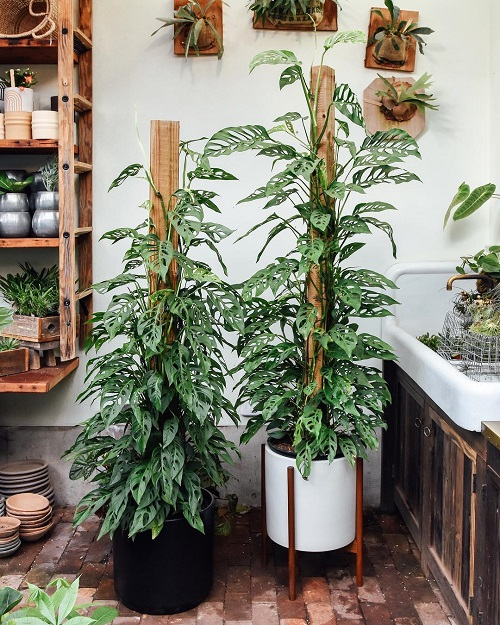
The Broken Heart Plant with moss stick is widely used as an indoor decorative plant because of its unique leaves and climbing habit.
A Broken Heart Plant with moss stick works beautifully in living rooms, offices, indoor plant shelves, and balcony gardens. Because it grows vertically, the Broken Heart Plant with moss stick adds height and dimension to indoor plant displays.
Interior designers often combine the Broken Heart Plant with moss sticks with other foliage plants to create lush green corners inside homes. The elegant climbing structure of the Broken Heart Plant with moss stick makes it a favorite choice for modern interior décor.
Benefits of Growing Broken Heart Plant
There are several benefits to growing a Broken Heart Plant with a moss stick in your home.
First, the Broken Heart Plant with moss stick enhances indoor spaces with its vibrant greenery and decorative leaves. The climbing growth pattern of the Broken Heart Plant with moss stick creates a unique vertical plant display.
Second, the Broken Heart Plant with moss stick is relatively easy to maintain, making it perfect for beginner gardeners. Even with basic care, the Broken Heart Plant with moss stick can grow quickly and produce beautiful foliage.
Finally, keeping a Broken Heart Plant with moss stick indoors helps create a calm and refreshing atmosphere, making your home feel more connected to nature.
Frequently Asked Questions
What is a Broken Heart Plant?
The Broken Heart plant commonly refers to Monstera adansonii, a climbing tropical plant known for its decorative heart-like leaves.
Why should I use a moss stick?
A moss stick supports the Broken Heart Plant with a moss stick, helping it climb vertically and produce larger leaves.
How fast does the plant grow?
With proper lighting, watering, and care, the Broken Heart Plant with moss stick can grow quickly and develop long climbing vines within a few months.
Can the Broken Heart Plant grow indoors?
Yes, the Broken Heart Plant with moss stick grows very well indoors when placed in bright indirect sunlight and provided with moderate watering.


Leave A Comment