

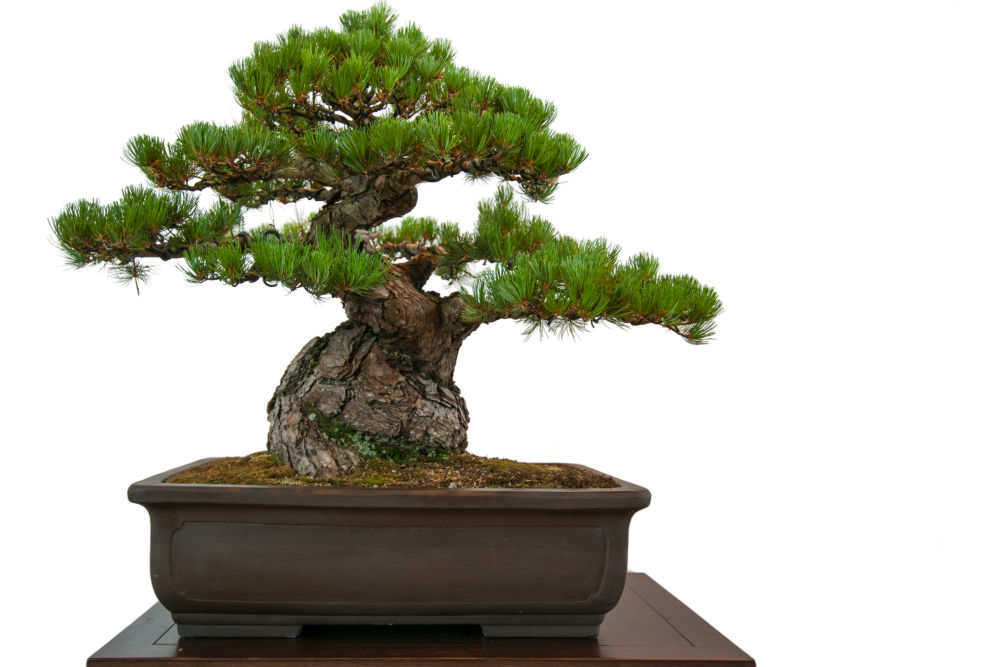
Black Pine Bonsai Tree: Everything You Need to Know
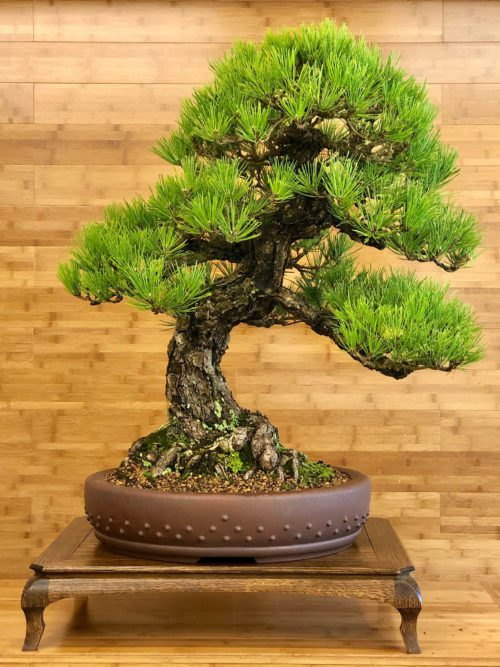
The Black Pine Bonsai Tree is one of the most iconic and respected trees in the world of bonsai. Known for its rugged trunk, deep green needle-like leaves, and graceful structure, this bonsai represents strength, endurance, and natural beauty. Many bonsai enthusiasts admire this tree because it develops character and elegance as it ages.
Understanding proper Black Pine Bonsai Care is essential if you want the tree to grow healthy and maintain its artistic shape. With the right balance of sunlight, watering, pruning, and patience, this bonsai can thrive for many years and become a beautiful centerpiece in your garden or bonsai collection.
In this guide, we will explore everything about the Black Pine Bonsai Tree, including its origin, unique features, growing conditions, and care tips.
Black Pine Bonsai Plant Information
| Feature | Details |
|---|---|
| Common Name | Black Pine Bonsai |
| Scientific Name | Pinus thunbergii |
| Plant Family | Pinaceae |
| Plant Type | Evergreen Conifer Bonsai |
| Native Region | Japan and Korea |
| Sunlight Requirement | Full Sunlight (6–8 hours daily) |
| Watering | Moderate watering when soil slightly dries |
| Soil Type | Well-draining bonsai soil mix |
| Growth Habit | Slow-growing bonsai tree |
| Ideal Placement | Outdoor garden, balcony, bonsai display area |
What Makes the Black Pine Bonsai Special?
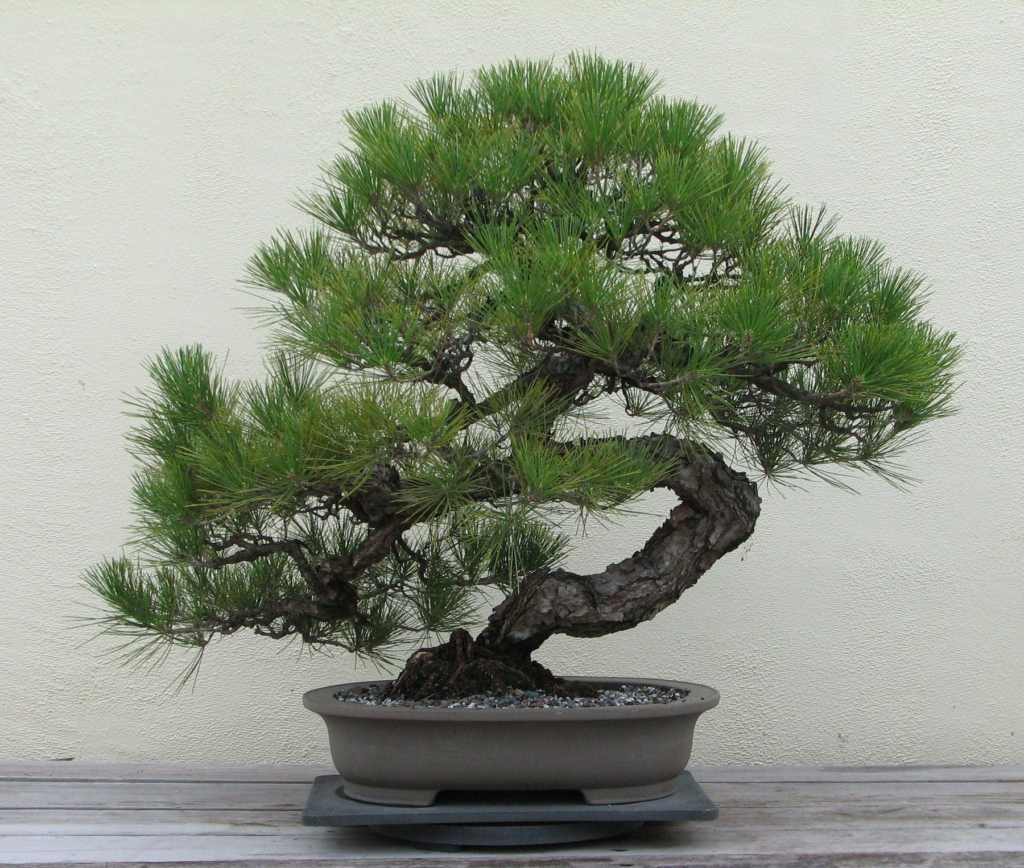
The Black Pine Bonsai Tree is famous for its strong appearance and long lifespan. Unlike many other bonsai varieties, this tree develops a thick and textured trunk over time, which gives it a mature and powerful look.
Some unique characteristics of this bonsai include:
• Dark green needle-shaped leaves
• Strong and rugged trunk structure
• Ability to tolerate pruning and shaping
• Long lifespan with proper care
These features make it one of the most preferred bonsai trees among collectors and bonsai artists. Following the correct Black Pine Bonsai Care routine allows the plant to maintain its natural beauty and structure.
Origin and Cultural Significance
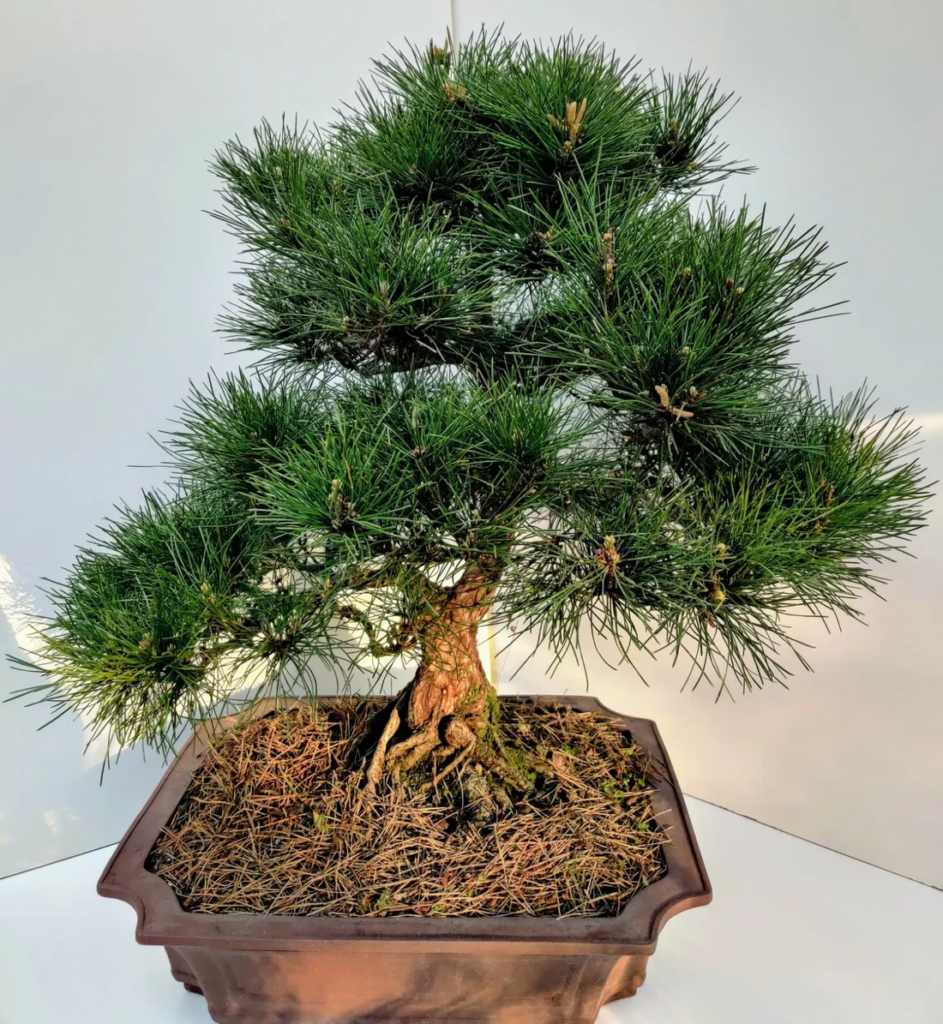
The Black Pine tree originates from Japan and East Asia, where it naturally grows in coastal areas and mountainous regions. In Japanese culture, pine trees symbolize strength, stability, and longevity.
For centuries, bonsai artists in Japan have used Black Pine trees to create stunning miniature landscapes. Because of its flexible branches and strong growth pattern, the tree can be shaped into many different bonsai styles.
Today, the Black Pine bonsai remains a symbol of patience and dedication in the art of bonsai cultivation.
Ideal Growing Conditions for Black Pine Bonsai
Providing the right environment is one of the most important aspects of Black Pine Bonsai Care. These trees prefer outdoor conditions with plenty of fresh air and natural sunlight.
Sunlight
Black Pine bonsai trees require full sunlight for healthy growth. Ideally, they should receive at least 6 to 8 hours of sunlight every day.
Sunlight helps maintain strong needles and supports healthy development of the trunk and branches.
If the plant does not receive enough sunlight, growth may slow down and the needles may weaken.
Temperature and Climate
Black Pine bonsai trees are relatively hardy and can tolerate different climates. They grow well in moderate outdoor temperatures and enjoy good air circulation.
While they can handle cooler weather, extremely harsh frost conditions may require protection.
Maintaining stable environmental conditions helps ensure consistent growth and strong plant health.
Watering Routine
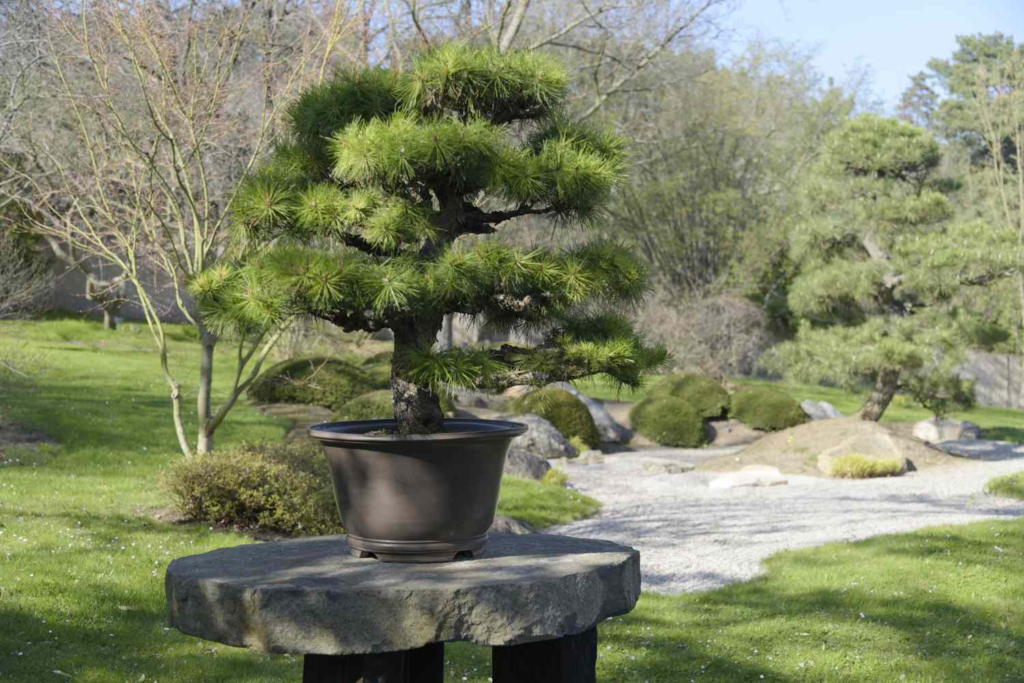
Watering plays a major role in successful Black Pine Bonsai Care.
Instead of watering on a strict schedule, it is better to check the soil regularly. Water the plant when the top layer of soil becomes slightly dry.
Important watering tips include:
• Water thoroughly until excess water drains from the pot
• Avoid allowing the soil to stay completely dry for long periods
• Do not overwater, as this can damage the roots
Proper watering helps maintain balanced moisture and healthy root development.
Soil Requirements
The type of soil used for bonsai trees is very important for their growth.
Black Pine bonsai trees require well-draining soil that allows water and air to reach the roots easily. A typical bonsai soil mixture may include materials such as akadama, pumice, lava rock, or coarse sand.
These components help improve drainage and prevent waterlogging, which is essential for healthy roots.
Using the right soil mixture is an important part of effective Black Pine Bonsai Care.
Fertilizing the Bonsai
Regular fertilizing helps the bonsai receive the nutrients it needs for healthy growth.
During the growing season, apply a balanced bonsai fertilizer every few weeks. Fertilizer supports needle development and strengthens the plant.
Some helpful fertilizing tips include:
• Use a mild fertilizer during active growth
• Reduce fertilizing during winter months
• Avoid overfeeding the plant
A balanced feeding routine ensures that the bonsai remains strong and vibrant.
Pruning and Shaping
Pruning is one of the most important techniques in Black Pine Bonsai Care. It helps maintain the artistic shape and encourages controlled growth.
Two main pruning methods are commonly used:
Structural Pruning
This method involves removing unnecessary branches to create a balanced design.
Candle Pruning
New growth in pine trees appears as small shoots called candles. Trimming these candles helps control the size and density of the bonsai.
These techniques help maintain the classic bonsai appearance and encourage compact growth.
Repotting the Bonsai
Repotting is necessary to refresh the soil and prevent the roots from becoming overcrowded.
Black Pine bonsai trees usually need repotting every 2 to 3 years.
During repotting:
• Remove old soil carefully
• Trim excess roots
• Replace with fresh bonsai soil
Repotting helps maintain healthy roots and supports long-term growth.
Common Problems and Solutions
Even with proper Black Pine Bonsai Care, some minor issues may occasionally occur.
Yellowing Needles
This may happen due to incorrect watering or lack of nutrients.
Solution:
Check watering habits and apply balanced fertilizer.
Slow Growth
Insufficient sunlight can slow down plant development.
Solution:
Move the bonsai to a brighter location with more sunlight.
Pest Problems
Occasionally, pests like aphids or spider mites may appear.
Solution:
Use natural pest control sprays such as neem oil and maintain good airflow around the plant.
Regular observation can help prevent most problems before they become serious.
Why Bonsai Collectors Love Black Pine
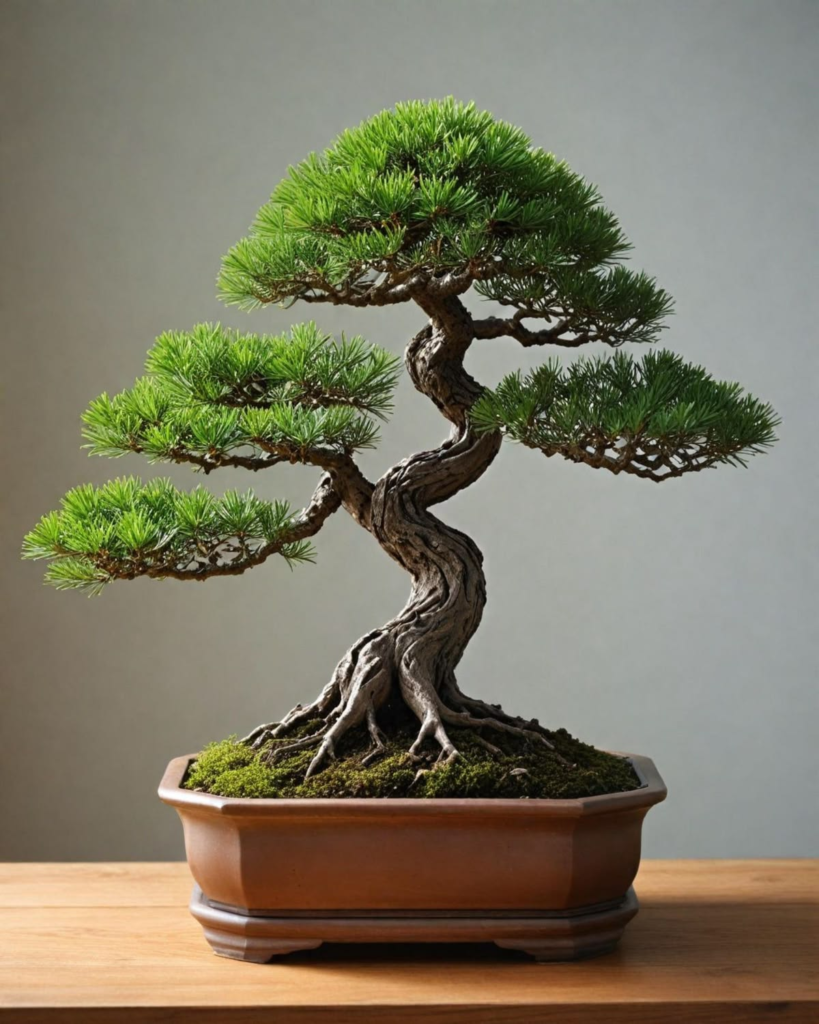
The Black Pine Bonsai Tree is highly valued among bonsai collectors for many reasons. It combines durability with artistic beauty, making it a perfect bonsai specimen.
Some reasons why plant lovers appreciate this bonsai include:
• Strong and dramatic trunk structure
• Long lifespan with proper care
• Ability to create traditional bonsai styles
• Symbolic meaning of strength and endurance
Because of these qualities, the Black Pine remains one of the most admired bonsai trees around the world.
FAQs
1. Is Black Pine bonsai suitable for beginners?
Yes, beginners can grow this bonsai with proper guidance. Learning the basics of Black Pine Bonsai Care makes it easier to maintain.
2. Can Black Pine bonsai grow indoors?
Black Pine bonsai prefers outdoor environments with plenty of sunlight and fresh air. Indoor conditions may weaken the plant over time.
3. How often should I water Black Pine bonsai?
Water the bonsai when the top layer of soil becomes slightly dry. Avoid both overwatering and underwatering.
4. How long can a Black Pine bonsai live?
With proper Black Pine Bonsai Care, these trees can live for many decades and become valuable bonsai specimens admired for their beauty.


Leave A Comment