

Alocasia Cucullata: The Sacred Elephant Ear Plant Perfect for Indoor Gardens
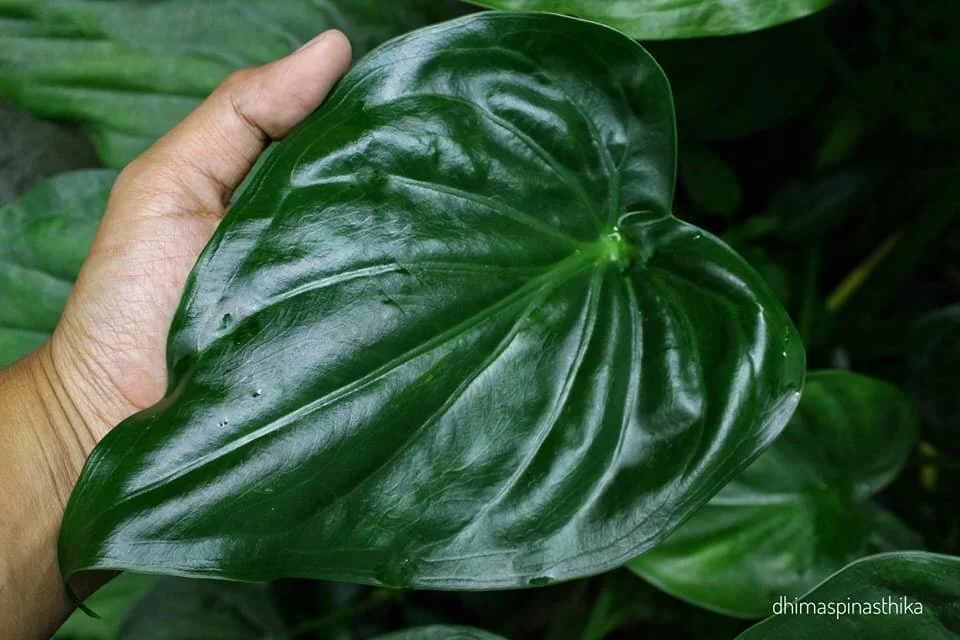
Among the many tropical houseplants admired by plant lovers, Alocasia Cucullata holds a special place. Known for its lush green leaves and upright growth habit, this plant adds a bold tropical touch to indoor spaces. Often referred to as Buddha’s Palm or Elephant Ear Plant, it is admired not only for its decorative foliage but also for its cultural significance.
The plant’s glossy heart-shaped leaves grow on upright stems, creating a graceful and elegant appearance. Because of its striking look, many interior decorators and plant enthusiasts include it in indoor plant collections.
Understanding proper Alocasia cucullata care helps this plant thrive indoors while maintaining its vibrant foliage. When grown in the right environment, the plant can become a beautiful focal point in homes, offices, and indoor gardens.
Plant Snapshot
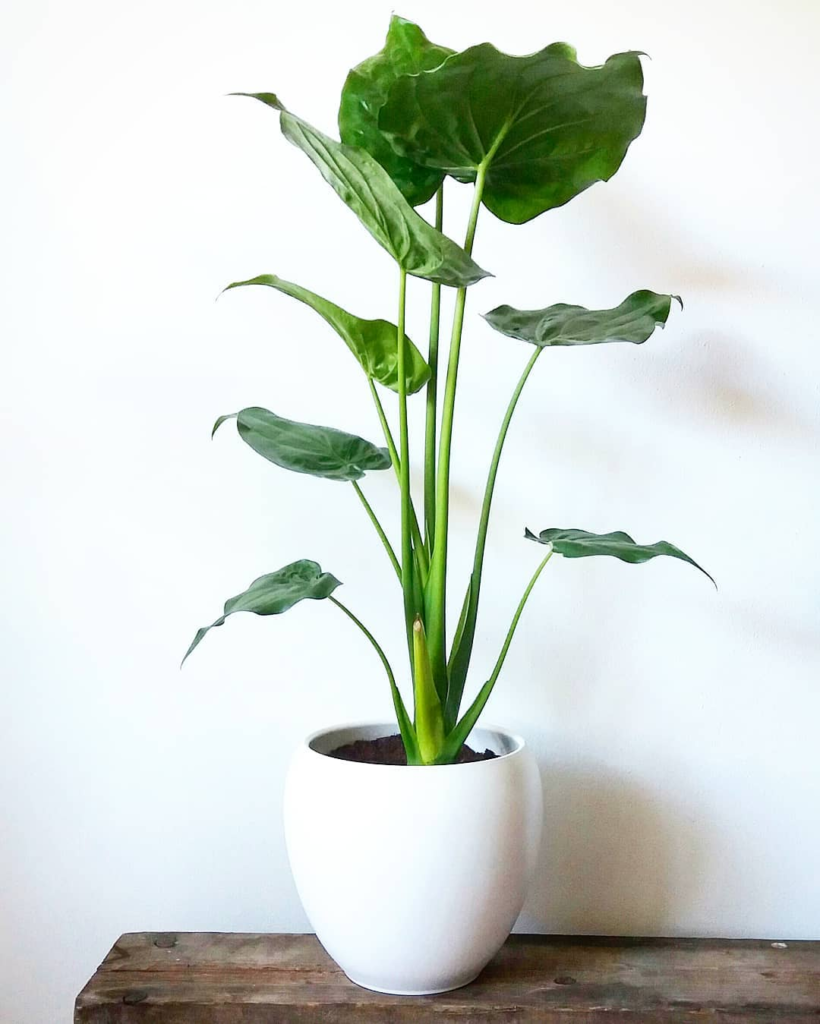
Here are some quick facts about the Alocasia Cucullata plant:
Common name: Alocasia Cucullata, Buddha’s Palm
Scientific name: Alocasia cucullata
Plant family: Araceae
Plant type: Tropical foliage plant
Native region: Southeast Asia
Growth habit: Upright and clumping
Average height: 2 to 4 feet indoors
Best placement: Bright indoor spaces or shaded balconies
This tropical plant adapts well to indoor conditions when provided with the right care.
Why Plant Lovers Love Alocasia Cucullata
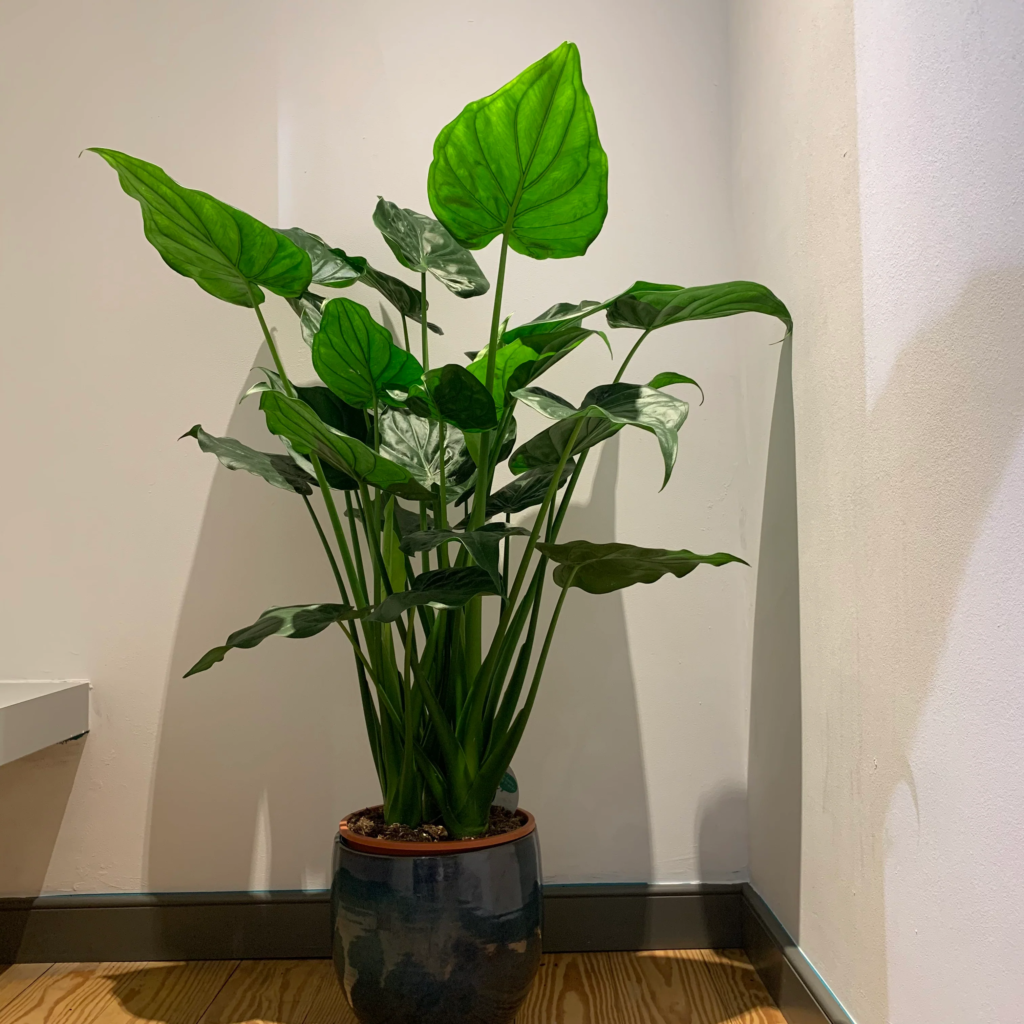
One of the main reasons plant lovers appreciate Alocasia Cucullata is its impressive foliage. The plant produces smooth, glossy leaves that create a lush and vibrant appearance. These leaves resemble the shape of an elephant’s ear, which is why many plants in the Alocasia family are commonly called Elephant Ear plants.
Another reason for its popularity is its symbolic meaning. In several Asian cultures, Alocasia Cucullata is associated with prosperity, good fortune, and positive energy. Because of this belief, the plant is sometimes placed in homes and temples.
In addition to its symbolism, the plant is also valued for its decorative qualities. The upright stems and rich green leaves give it a tropical appearance that instantly enhances indoor spaces.
With proper Alocasia cucullata care, this plant can remain healthy and visually striking for many years.
How to Grow Alocasia Cucullata Indoors
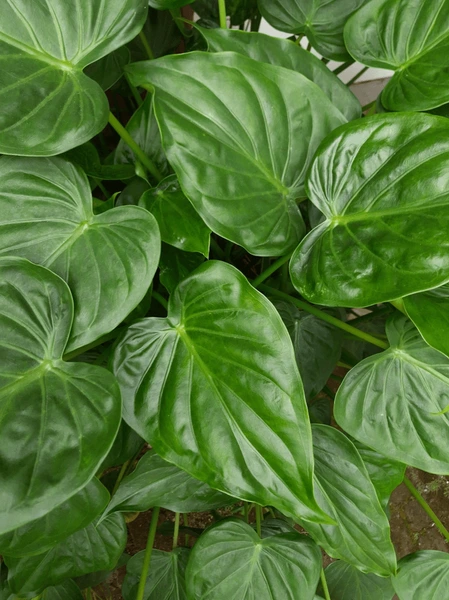
Growing Alocasia Cucullata indoors is quite manageable when the plant receives the right balance of light, moisture, and temperature.
The plant grows best in bright indirect sunlight. A well-lit room with filtered sunlight is ideal for maintaining healthy foliage. Direct sunlight for long hours should be avoided because it may scorch the leaves.
Watering should be done carefully to maintain slightly moist soil. The plant prefers consistent moisture but does not tolerate waterlogged conditions. Allowing the top layer of soil to dry slightly before watering again helps maintain a healthy balance.
The plant thrives in well-draining soil that allows proper airflow to the roots. A mix containing potting soil, coco peat, and perlite works well for maintaining both moisture and drainage.
Being a tropical plant, Alocasia Cucullata also prefers warm temperatures and moderate humidity. Indoor temperatures between 18°C and 30°C provide suitable growing conditions.
Following these basic guidelines for Alocasia cucullata care helps the plant grow strong and healthy indoors.
Styling This Plant in Your Home
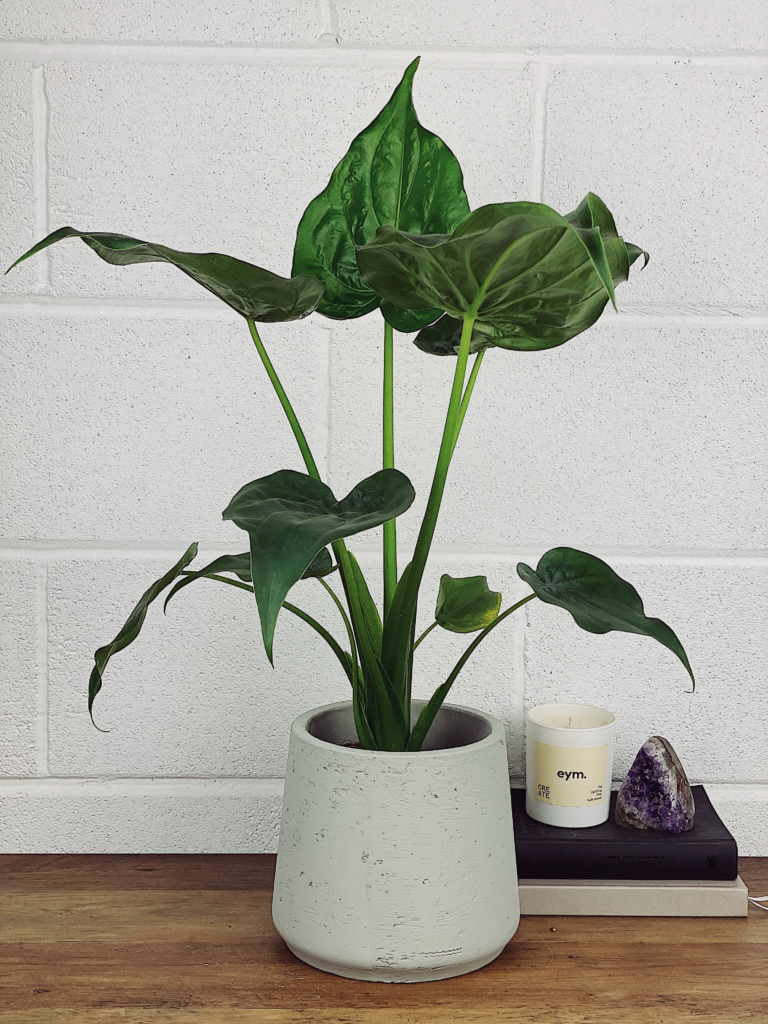
Because of its elegant appearance, Alocasia Cucullata can be used as a decorative statement plant in many areas of the home.
In living rooms, the plant can be placed in decorative ceramic pots to create a tropical focal point. The upright leaves help fill empty corners and add natural greenery to interiors.
It also looks beautiful near large windows where it can receive filtered sunlight. In modern homes, many plant enthusiasts use this plant as part of an indoor tropical plant collection.
The plant also works well in shaded balconies, where it can receive bright but indirect light. When combined with other tropical foliage plants, it helps create a relaxing and refreshing environment.
Simple Care Routine
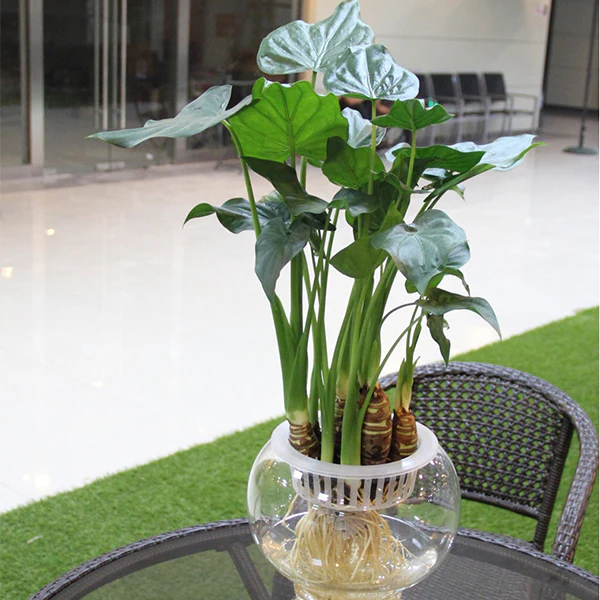
Maintaining a simple care routine can keep the plant healthy and attractive.
Some useful care practices include:
• Water the plant when the top soil becomes slightly dry
• Keep the plant in bright but indirect sunlight
• Use well-draining soil to prevent root problems
• Clean leaves occasionally to remove dust
• Fertilize lightly during the growing season
These small habits can make a big difference in maintaining proper Alocasia cucullata care.
Problems You May Notice
Like many indoor plants, Alocasia Cucullata may sometimes show signs of stress if the growing conditions are not suitable.
Yellow leaves are often a sign of overwatering. When soil remains too wet for long periods, the roots may struggle to absorb oxygen.
Brown leaf edges may appear if the air becomes too dry or if the plant receives too much direct sunlight.
Slow growth may occur if the plant does not receive enough light.
Fortunately, these problems are usually easy to fix by adjusting watering habits, improving lighting conditions, or maintaining better humidity levels.
Interesting Facts About Alocasia Cucullata
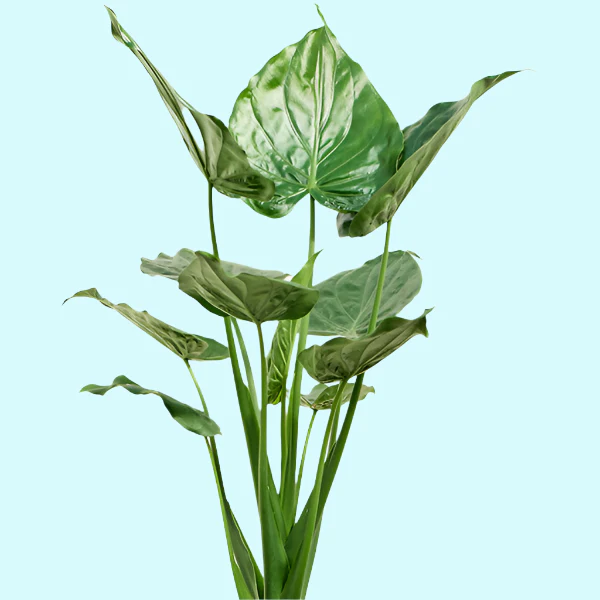
The Alocasia Cucullata plant has several interesting features that make it unique among tropical plants.
• It is commonly known as Buddha’s Palm in many Asian countries.
• The plant is believed to bring good luck and prosperity.
• Its leaves resemble the shape of elephant ears.
• It is widely used in tropical landscaping and indoor plant décor.
These characteristics make the plant both meaningful and visually appealing.
Frequently Asked Questions
1. Can Alocasia Cucullata grow indoors?
Yes, Alocasia Cucullata grows well indoors when placed in bright indirect sunlight and provided with moderate watering.
2. How often should I water this plant?
Water the plant when the top layer of soil becomes slightly dry. Avoid excessive watering to prevent root rot.
3. Does Alocasia Cucullata require direct sunlight?
No, the plant prefers bright indirect sunlight and should be protected from strong direct sun.
4. Why are my Alocasia Cucullata leaves turning yellow?
Yellow leaves are usually caused by overwatering or poor drainage. Adjust watering habits and ensure the soil drains well.


Leave A Comment