

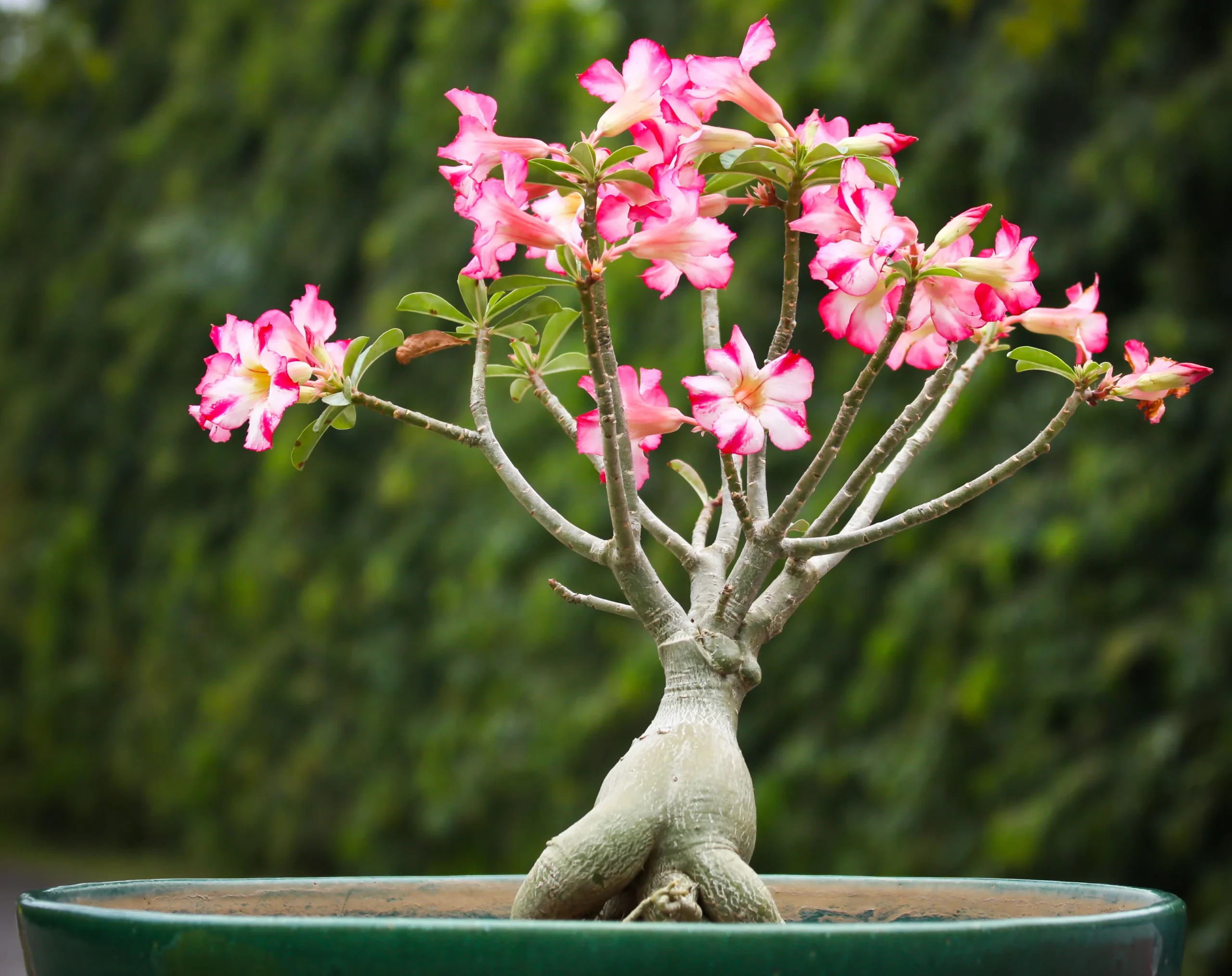
Adenium Plant Benefits: Complete Guide to Growing and Caring for Desert Rose
Flowering plants are a beautiful addition to homes and gardens, and the Adenium plant is one of the most attractive ornamental plants you can grow. Known for its thick stem, vibrant flowers, and bonsai-like appearance, this plant is admired by gardeners worldwide. Along with its decorative value, many people also search for adenium plant benefits to understand why this plant is so popular.
The Adenium plant, scientifically known as Adenium obesum, is commonly called the Desert Rose because of its striking flowers and drought-tolerant nature. Gardeners love this plant because proper care enhances the overall adenium plant benefit experience, including long-lasting blooms and low-maintenance growth.
Whether you are a beginner or an experienced gardener, learning about the adenium plant benefits and proper care will help you grow a healthy and beautiful plant.
Plant Overview
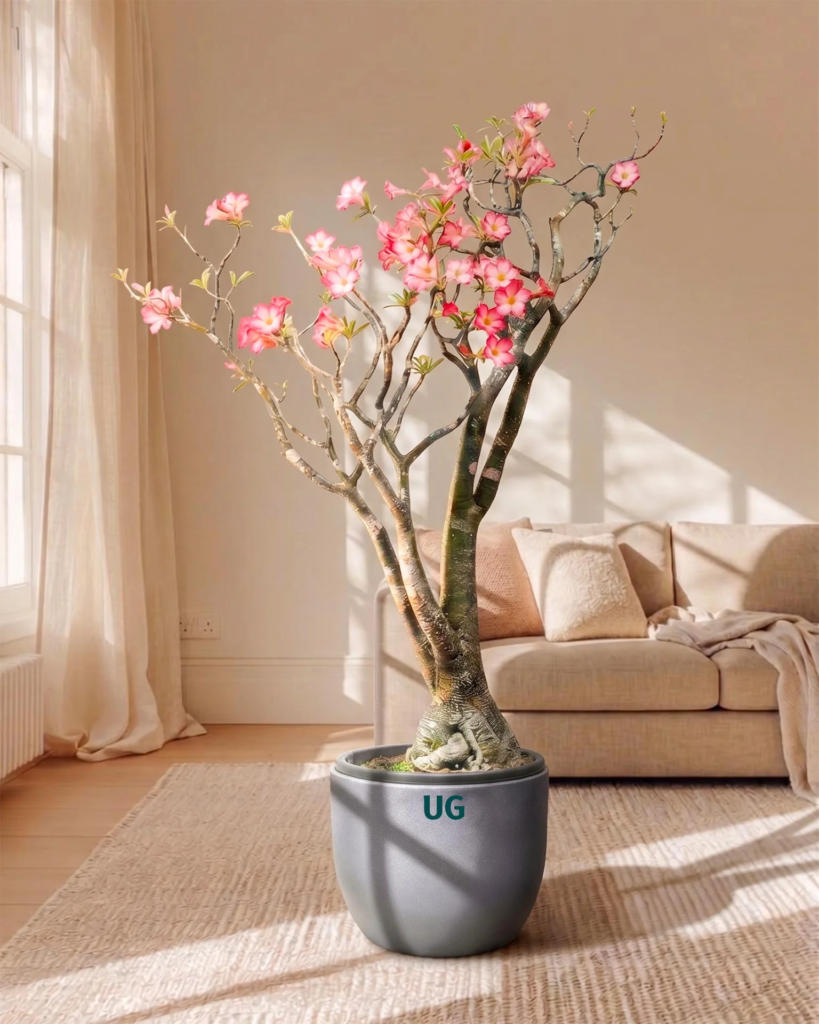
Before understanding the full adenium plant benefit, it is important to know the plant’s basic characteristics.
Common Name: Adenium, Desert Rose
Botanical Name: Adenium obesum
Plant Type: Succulent flowering plant
Family: Apocynaceae
Native Region: Africa and the Middle East
Growth Habit: Thick stem with branching structure
Flower Colors: Pink, red, white, and mixed shades
Best Placement: Outdoor sunny location or bright balcony
These features contribute to the overall adenium plant benefit that attracts plant lovers.
Why Grow Adenium Plant
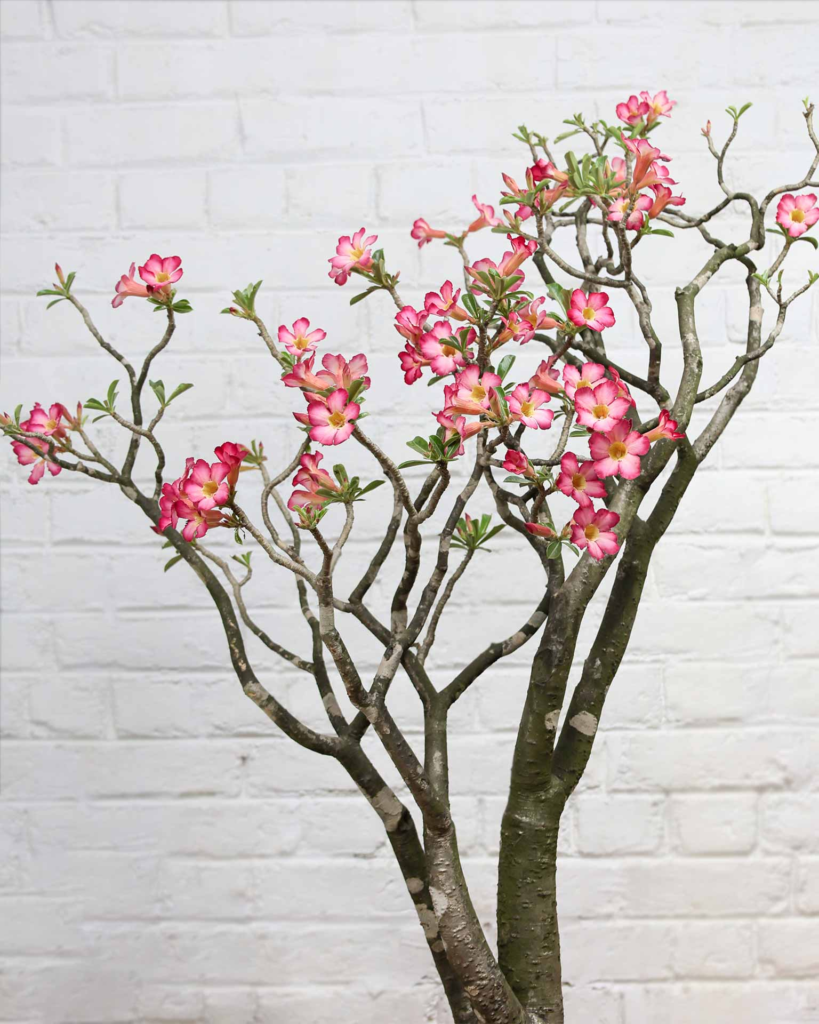
One of the biggest reasons gardeners love this plant is the overall adenium plant benefit it offers.
The plant produces stunning flowers and develops a thick sculptural stem that resembles a bonsai tree. With proper care, the adenium plant benefit includes year-round ornamental beauty.
Another major adenium plant benefit is its low water requirement. Since it is drought-tolerant, it is ideal for busy gardeners.
Its compact growth habit also makes it suitable for balconies, terraces, and small gardens.
Light Requirements
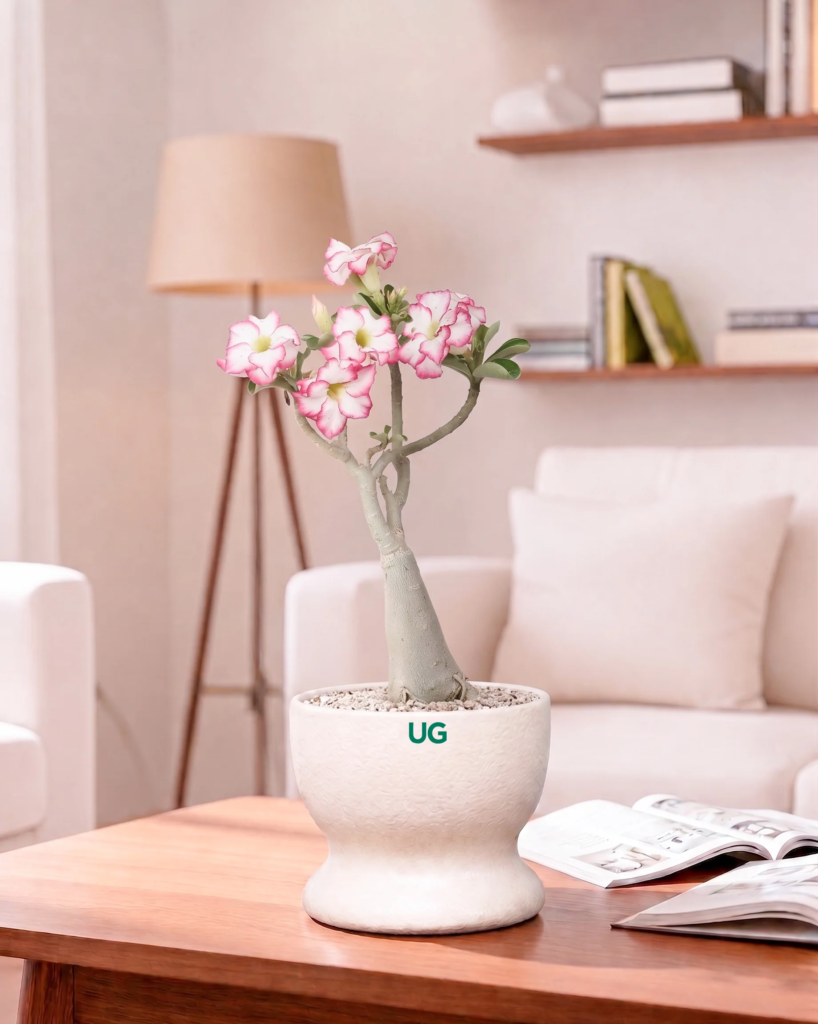
Proper lighting is essential to maximize the adenium plant benefit.
The plant thrives in full sunlight and requires at least 5–6 hours of direct sunlight daily. Adequate sunlight encourages flowering and supports healthy growth.
Without proper light, the plant may produce fewer flowers, reducing the decorative adenium plant benefit.
Sunny balconies, terraces, or outdoor gardens are ideal locations.
Watering Needs
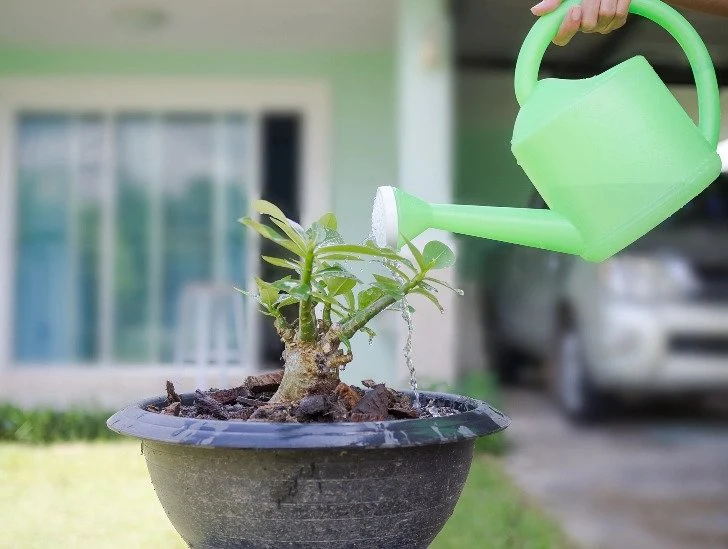
Watering plays an important role in maintaining the health of the plant and improving its overall health.
Being a succulent, the plant stores water in its thick stem and roots. It is best to water only when the soil becomes dry.
Overwatering can damage the roots and reduce the long-term health of the adenium plant by causing root rot.
During winter, watering should be reduced significantly.
Soil and Potting Mix
Choosing the right soil is essential for healthy growth and maximum adenium plant benefit.
The plant prefers a fast-draining soil mix. A suitable combination includes:
- Garden soil
- Sand or perlite
- Coco peat
- Organic compost
This mixture improves drainage and supports root health, which is important for maintaining the full adenium plant benefit.
Using pots with drainage holes is highly recommended.
Temperature and Climate
Warm temperatures are ideal for maximizing the adenium plant benefit.
The plant grows best between 20°C and 35°C and thrives in dry, sunny climates.
Cold weather and frost can damage the plant and reduce its growth. Protecting the plant during winter helps preserve the overall adenium plant benefit.
Fertilizing Tips
Feeding the plant properly supports flowering and improves the overall adenium plant benefit.
Use a balanced liquid fertilizer once every 3–4 weeks during the growing season. Fertilizers rich in phosphorus encourage more flowers.
Avoid over-fertilizing, as excessive nutrients may affect the plant negatively.
Balanced feeding is important for maintaining a healthy adenium plant benefit.
Pruning and Maintenance
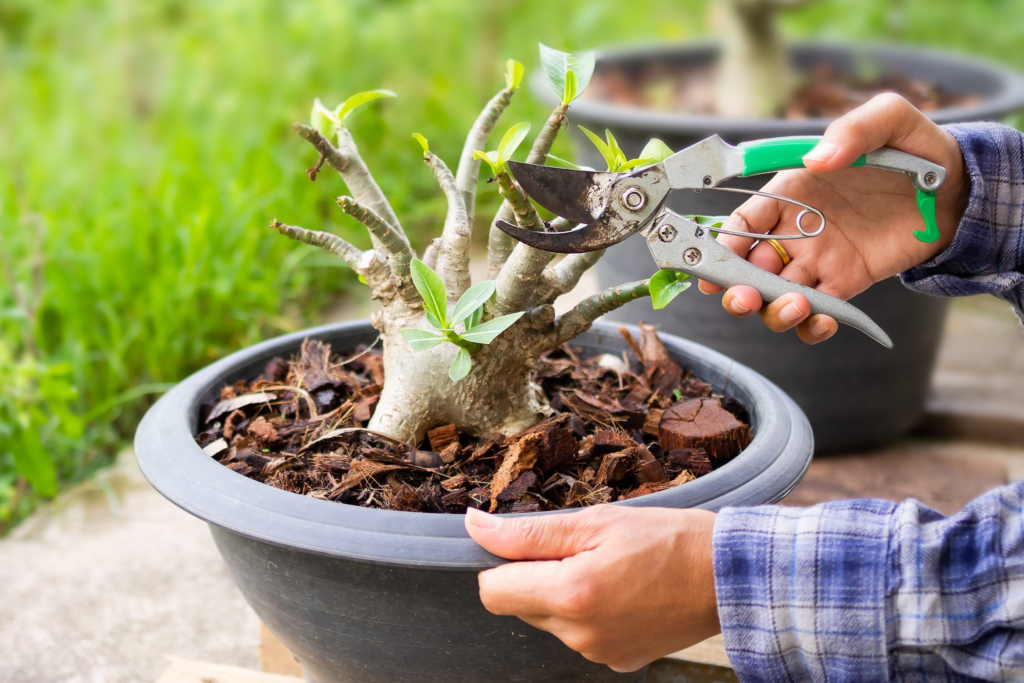
Regular pruning improves branching and supports better flowering. Proper maintenance enhances the overall adenium plant benefit.
Removing weak or damaged branches helps maintain shape and improves airflow around the plant.
Many gardeners prune their plants to create a bonsai-style appearance, adding to the decorative adenium plant benefit.
Major Benefits of Adenium Plant
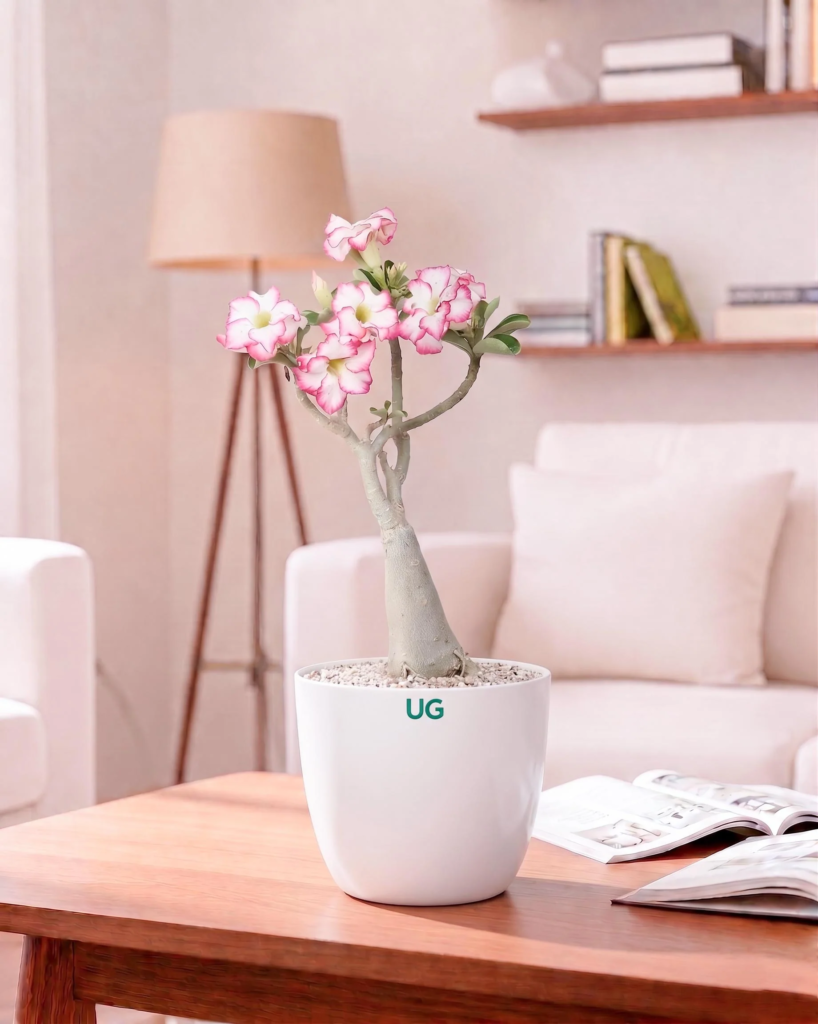
There are several reasons gardeners search for information on the benefits of adenium plants.
Decorative Beauty
The plant produces vibrant flowers and develops a thick artistic stem, making it highly ornamental.
Low Maintenance
One major adenium plant benefit is that it requires minimal watering and care compared to many flowering plants.
Suitable for Small Spaces
The compact growth habit makes it perfect for balconies and terrace gardens.
Drought Tolerance
The plant survives well in dry conditions, making it ideal for warm climates.
Bonsai Appearance
Many gardeners grow Adenium as a bonsai because of its unique trunk structure.
Common Problems and Solutions
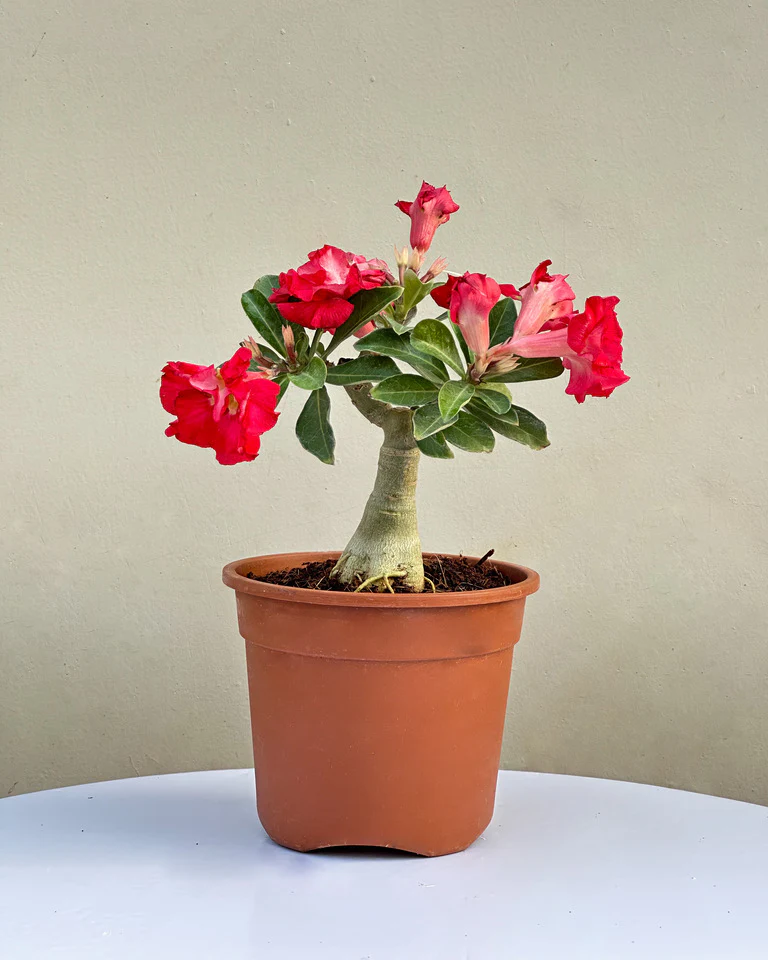
Some issues may occasionally appear while growing the plant, affecting the overall adenium plant benefit.
Yellow Leaves:
Usually caused by overwatering.
Soft Stem:
May indicate root rot due to excessive moisture.
Lack of Flowers:
Insufficient sunlight may reduce blooming.
Proper monitoring helps maintain healthy growth and preserves the full adenium plant benefit.
Decorative Uses
The Adenium plant is widely used as a decorative plant. With proper care, the adenium plant benefit includes enhancing:
- Balcony gardens
- Terrace décor
- Bonsai collections
- Outdoor landscapes
Its colorful flowers and thick trunk create a bold visual appeal.
Frequently Asked Questions
What is Adenium plant?
It is a flowering succulent scientifically known as Adenium obesum, commonly called Desert Rose.
What is the main adenium plant benefit?
The major adenium plant benefit is its beautiful flowers, drought tolerance, and bonsai-like appearance.
How often should I water Adenium?
Water only when the soil becomes dry to maintain proper growth.
Can Adenium grow indoors?
Yes, it can grow indoors if placed in bright sunlight.


Leave A Comment