


10 Common Houseplant Mistakes to Avoid
Even the most enthusiastic plant lovers can stumble when it comes to houseplant care. Whether you’re a beginner or just looking to up your indoor gardening game, avoiding these common houseplant mistakes will keep your green companions happy, healthy, and thriving. After all, houseplants are more than just decor—they’re living organisms that need attention, consistency, and a little love.
1. Overwatering Your Plants
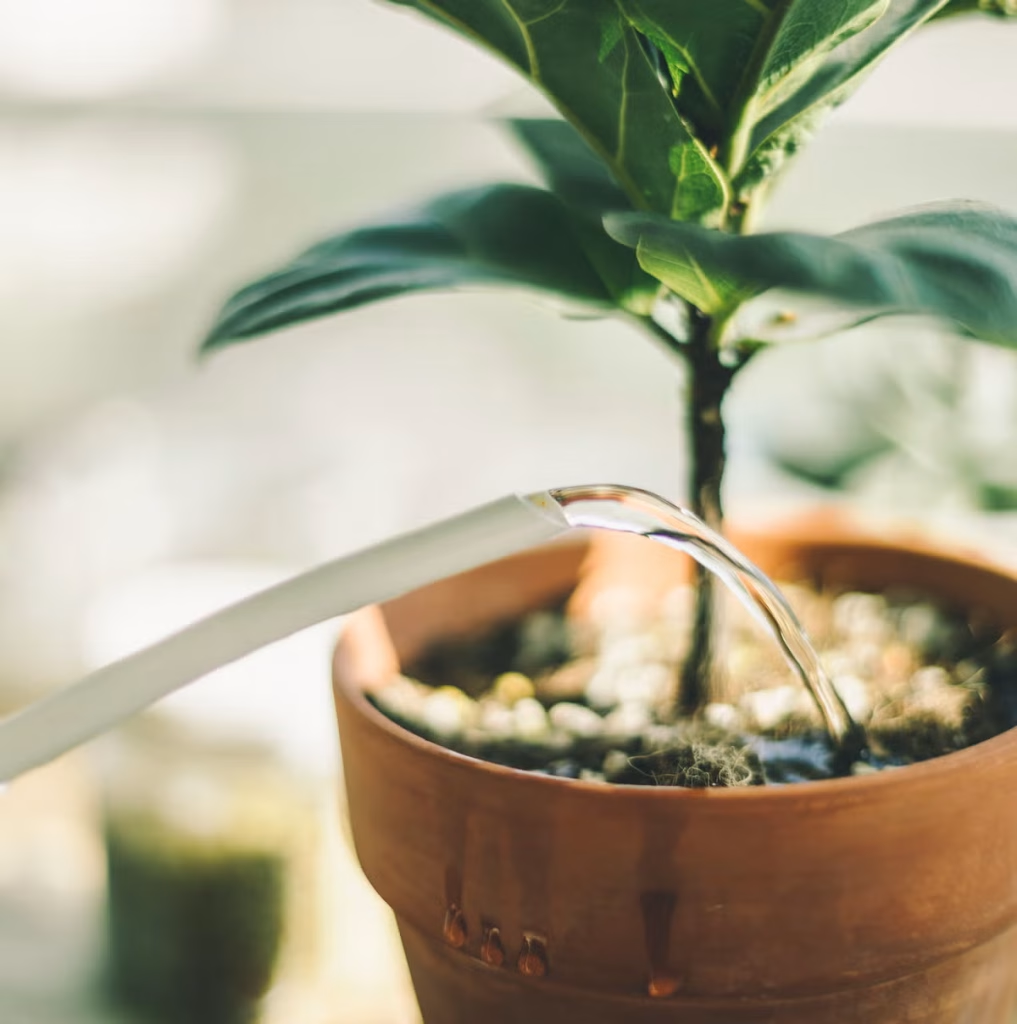
One of the most frequent plant-killers is overwatering. Many new plant parents equate watering with love and end up drenching their plants too often. Unfortunately, more water isn’t always better. Overwatering leads to soggy soil, root rot, fungus, and yellowing leaves. Once root rot sets in, it’s often difficult to save the plant.
Why It Happens: Some plants like the top inch of their soil to dry out between waterings, while others prefer to stay slightly moist. Without knowing a plant’s specific needs, it’s easy to give it more water than necessary.
Tip: Use pots with drainage holes and empty the saucer regularly. Stick your finger an inch into the soil; if it feels dry, it’s time to water.
2. Not Enough Light
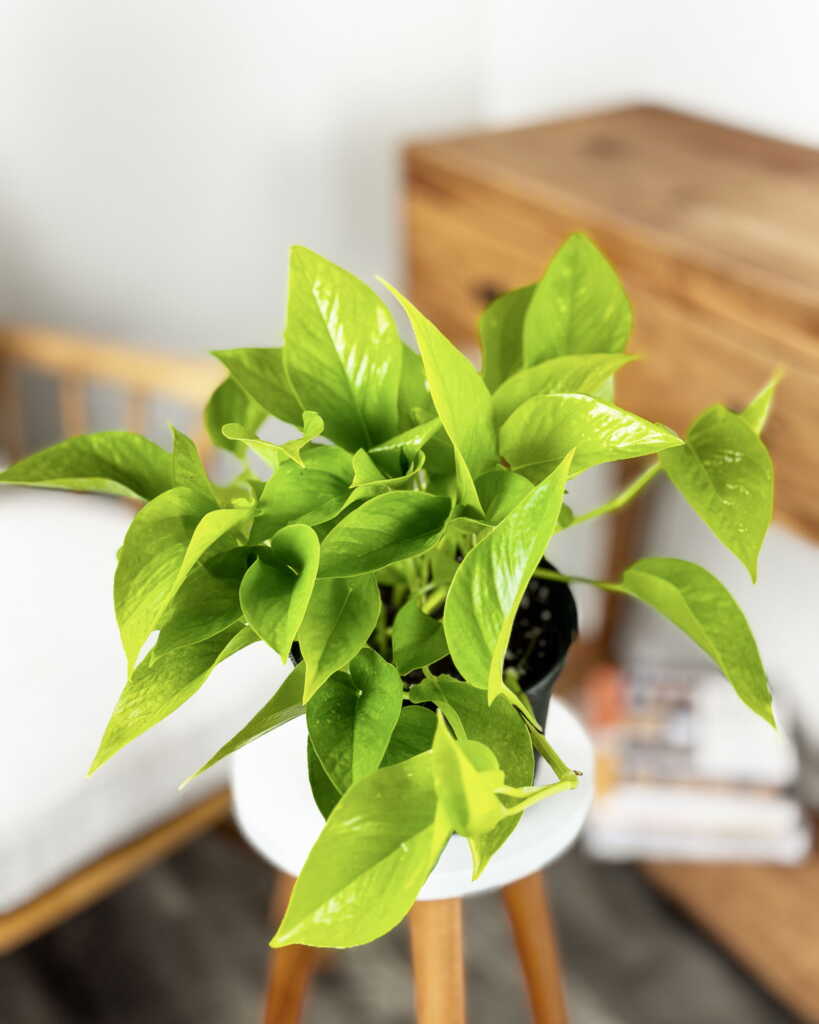
Sunlight is food for plants. If your indoor plants don’t get enough light, they can become leggy, pale, or stop growing entirely. Many people assume all houseplants are low-light tolerant, but that’s a myth. Even “low-light” plants need some sunlight to photosynthesize effectively.
Why It Matters: A snake plant in a sunny window may thrive, but the same plant in a dim hallway will eventually deteriorate. Light directly influences plant health, coloration, and growth.
Tip: Research the light needs of each plant and place them accordingly. South-facing windows offer the most light, while east and west-facing ones offer moderate levels.
3. Using the Wrong Soil
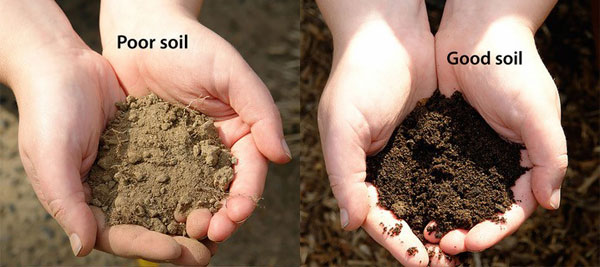
All plants are not created equal, and neither is their soil. Succulents and cacti prefer sandy, well-draining soil, while ferns and Calatheas prefer moisture-retentive potting mixes. The wrong soil mix can lead to compacted roots, improper drainage, and nutrient deficiencies.
Tip: Always use a soil mix suited for the specific type of plant. Most nurseries, including Greenways Nursery, offer ready-made soil blends.
4. Skipping Fertilizer
Fertilizer provides essential nutrients that aren’t always available in potting soil. Plants in containers depend on you to supply everything they need. Without proper feeding, your plant may suffer from stunted growth, pale leaves, or weak stems.
Tip: Use a balanced liquid fertilizer monthly during the growing season (spring to early fall). Avoid fertilizing in winter when most houseplants go dormant.
5. Ignoring Pest Problems
Indoor plants can still attract pests like spider mites, aphids, mealybugs, and fungus gnats. Many gardeners ignore early signs—like sticky residue, curling leaves, or small webs—until the infestation becomes serious.
Tip: Inspect plants weekly. Wipe leaves, check undersides, and use neem oil or insecticidal soap at the first sign of trouble.
6. Poor Drainage
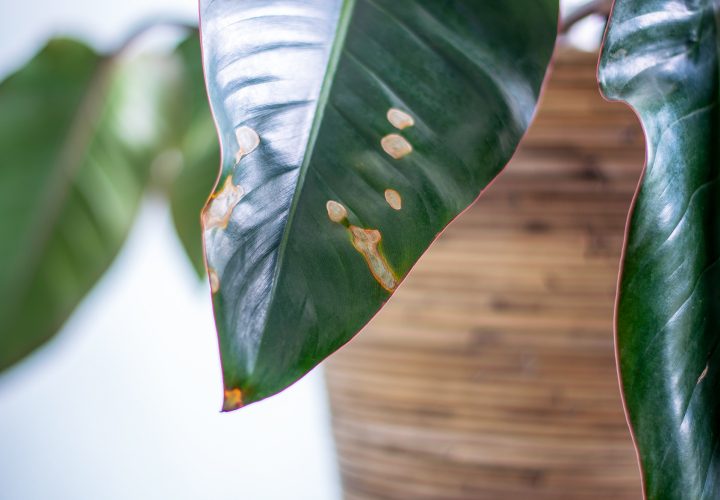
Water needs to exit the pot freely; otherwise, roots suffocate and rot. Decorative pots without drainage holes are attractive but deadly for your plants if used incorrectly.
Tip: Either drill holes in decorative pots or use a plastic nursery pot inside the decorative one. Always make sure water can escape easily.
7. Neglecting Humidity
Homes—especially in winter or in air-conditioned spaces—can be very dry. Plants like Calathea, Alocasia, and Monstera thrive in humid environments. Dry air can cause browning leaf tips, crispy edges, or leaf drop.
Tip: Increase humidity by misting daily, placing a tray of pebbles and water under the pot, or using a room humidifier.
8. Constantly Moving Plants
Plants get used to their environment—light, temperature, humidity. Moving them around frequently stresses them and delays adaptation. Some plants like Fiddle Leaf Fig are notorious for disliking change.
Tip: Place plants in a location that meets their needs and avoid moving them unless necessary.
9. Forgetting to Prune
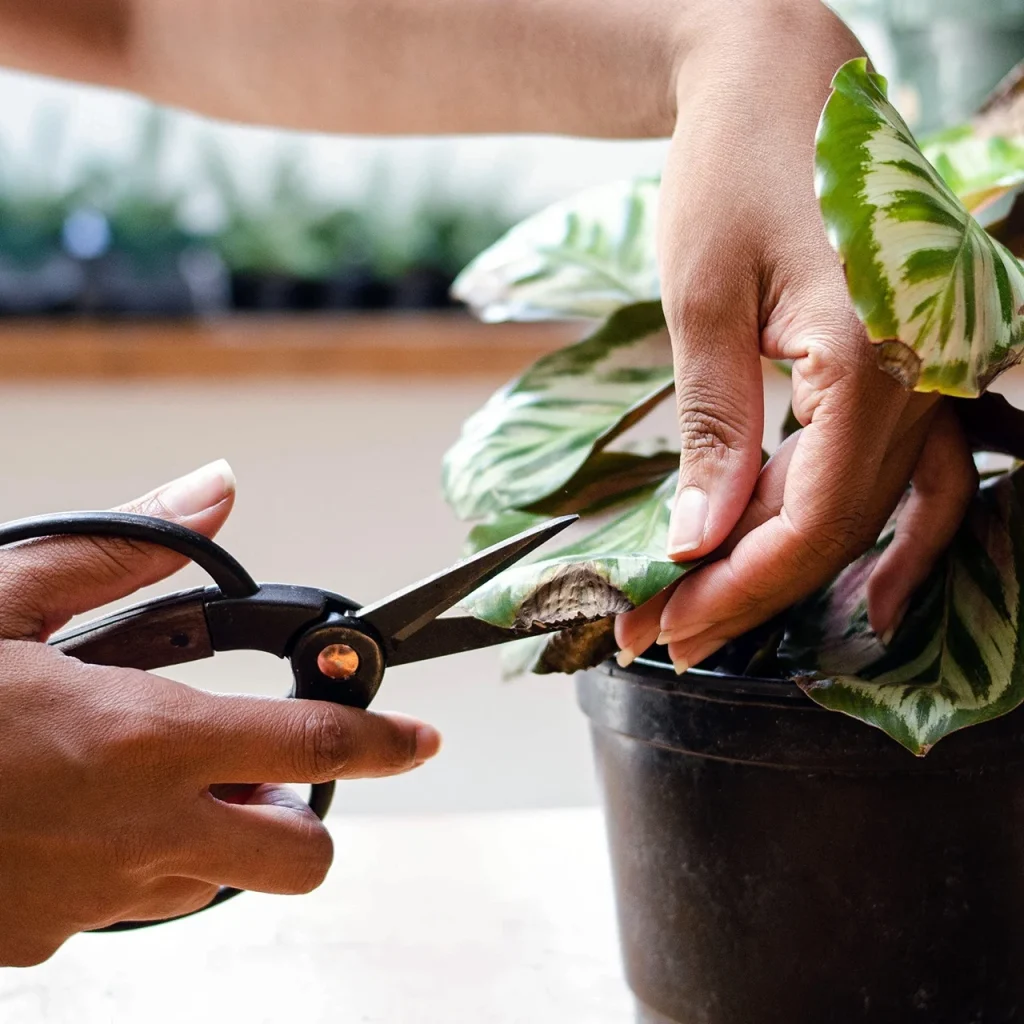
Pruning is essential for maintaining plant health and encouraging new growth. Removing yellow or dead leaves, pinching leggy growth, or trimming unruly stems helps maintain shape and vigor.
Tip: Use sterilized scissors and prune regularly to help your plant focus its energy on new growth.
10. Buying Without Research
Impulse buying leads to mismatched plants for your space. Some plants are toxic to pets, some need high light, while others are high maintenance.
Tip: Learn about a plant’s size, care needs, pet safety, and light requirements before buying. If you’re unsure, ask experts at Greenways Nursery for personalized advice.
know more about how to buy plants
✅ Greenways Nursery Tip
At Greenways Nursery, we do more than just sell beautiful plants—we help you grow them with confidence. Our expert staff will guide you on light, watering, repotting, and pest prevention. When you buy from us, you walk away with a healthy plant and the knowledge to keep it thriving.
🌿 Bonus Tips for Happy Houseplants
- Rotate your plants every few weeks to ensure even growth.
- Clean dusty leaves with a damp cloth so they can photosynthesize better.
- Group humidity-loving plants together to create a microclimate.
- Avoid using leaf shiners—they can block pores and damage foliage.
❓ FAQ: Houseplant Mistakes
Q1. How often should I water my houseplants?
It varies—some need water weekly, others biweekly. Use your finger or a moisture meter to check soil.
Q2. What’s the easiest houseplant for beginners?
Golden Pothos, Snake Plant, and ZZ Plant are low-maintenance and thrive in most conditions.
Q3. Can I keep houseplants in a bathroom?
Yes! Bathrooms with good light are ideal for humidity-loving plants like ferns and Peace Lilies.
Q4. My plant has brown tips. What’s wrong?
Likely dry air or inconsistent watering. Increase humidity and stick to a routine.
Q5. Is it okay to keep plants in AC or heated rooms?
Yes, but be mindful of dry air and cold drafts. Adjust watering and humidity accordingly.
Avoiding these common mistakes and staying consistent with care will make all the difference in your indoor gardening journey. Happy planting!


Leave A Comment