

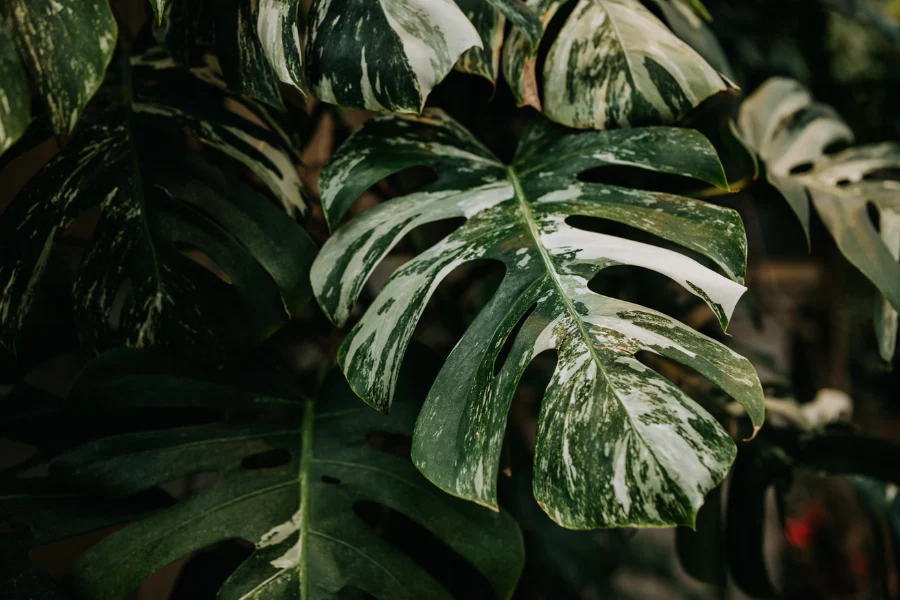
Rare & Variegated Plants: A Collector’s Guide
By Greenways Nursery
Rare and variegated plants — those mesmerizing beauties with splashes, streaks, and patterns of cream, pink, yellow, or white — have taken the plant world by storm. They’re not just plants; they’re living art.
For collectors and enthusiasts alike, owning rare and variegated plants feels like discovering a natural masterpiece — each leaf unique, each color pattern one of a kind. Whether it’s a Monstera Thai Constellation or a
Pink Princess Philodendron: these plants bring both elegance and exclusivity to any collection.
In this guide, we’ll explore what makes rare and variegated plants so special, how to care for them, and which varieties every collector dreams of adding to their collection.
What Makes Variegated Plants So Special?

The word variegation refers to the appearance of different colors on leaves or stems. This can happen naturally due to genetic mutations or through careful cultivation by plant breeders.
Here’s why collectors love them:
- Unique Patterns: No two variegated leaves are ever exactly the same.
- Rarity: Natural variegation is rare, which makes these plants highly sought after.
- Aesthetic Appeal: Their blend of colors adds texture and contrast to any plant display.
- Investment Value: Some rare varieties appreciate in value as demand rises.
Simply put, variegated plants turn your garden or home into a living gallery.
Types of Variegation

Not all variegation is the same! Understanding the types helps you appreciate their uniqueness even more.
- Chimeral Variegation:
- The most common type — caused by a genetic mutation where different cells produce different pigments.
- Example: Monstera Thai Constellation.
- Pattern-Gene Variegation:
- Inherited traits that produce consistent patterns, such as stripes or spots.
- Example: Calathea varieties.
- Viral Variegation:
- Caused by a virus, not typically desirable but sometimes beautiful.
- Reflective or Blister Variegation:
- Caused by air pockets in the leaf that reflect light — giving a silvery shine.
- Example: Scindapsus pictus (Satin Pothos).
Each type tells a story of nature’s creativity and unpredictability.
Most Sought-After Rare & Variegated Plants
Let’s take a look at some collector favorites that have become icons in the world of variegation.
1. Monstera Thai Constellation

A true showstopper, with creamy-white splashes on large, fenestrated leaves. Easy to care for, it thrives in bright, indirect light.
- Care Tip: Keep humidity above 50% for lush growth.
2. Philodendron Pink Princess

A dream plant for many collectors, featuring glossy dark leaves with pink streaks.
- Care Tip: Avoid direct sunlight to maintain vibrant pink tones.
3. Variegated Rubber Plant (Ficus elastica ‘Tineke’)

Bold cream, green, and pink foliage — perfect for adding structure and height.
- Care Tip: Loves bright, filtered light.
4. Aglaonema Varieties

Known for their silver, pink, and red variegation — easy-care and pet-friendly!
- Care Tip: Tolerates low light and minimal watering.
5. Scindapsus pictus (Satin Pothos)

Velvety leaves with silver spots — subtle but stunning.
- Care Tip: Let the soil dry between waterings.
6. Syngonium ‘Albo Variegatum’

Beautiful arrowhead leaves splashed with white or cream tones.
- Care Tip: Train it as a climber for a fuller look.
7. Calathea White Fusion

Known for its pastel white, green, and lilac tones — truly elegant!
- Care Tip: Keep in humidity and low light; avoid cold drafts.
How to Care for Variegated Plants
While rare and variegated plants look exquisite, they do need a bit of special attention. Their lighter leaf areas have less chlorophyll, meaning they require more light to photosynthesize efficiently.
Here are some key care tips:
- Provide Bright, Indirect Light:
Too little light can make variegation fade, while too much sun can burn the leaves. - Water Carefully:
Allow the topsoil to dry slightly between waterings. Overwatering can lead to root rot, especially for tropical varieties. - Humidity Matters:
Variegated plants, especially tropical ones, thrive in humidity. Mist regularly or use a humidifier. - Fertilize Sparingly:
Use a balanced fertilizer once a month during the growing season. Avoid overfeeding — variegated plants are slow growers. - Prune Strategically:
If green-only leaves appear, trim them to maintain variegation. - Rotate Plants:
Turning your plant regularly ensures even light exposure and balanced growth.
Why Collectors Love Rare Variegated Plants

Collectors see rare and variegated plants as living treasures. Each specimen is unique — a combination of rarity, beauty, and patience.
Here’s why these plants captivate so many:
- Exclusivity: Many variegated varieties are hard to find or propagate slowly.
- Beauty: Their colors stand out in any collection.
- Connection to Nature: Watching variegation evolve leaf by leaf is pure joy.
- Status Symbol: Some rare species, like the Monstera Albo, are considered “plant royalty.”
For true plant lovers, collecting variegated plants becomes a journey of passion and discovery.
Display & Styling Ideas
Show off your rare and variegated plants with thoughtful styling:
- Use neutral pots to let leaf patterns stand out.
- Group plants with different textures for contrast.
- Place in bright but filtered light zones like near east-facing windows.
- For climbers, use moss poles for an elegant, structured look.
- Create a feature shelf dedicated to variegated species.
Remember — these plants are statement pieces. Treat them like the art they are!
FAQs
Q1. Are variegated plants more expensive?
mall or less variegated specimens may be somewhat more affordable, but those with extensive and vibrant white variegation can be quite pricey, potentially costing several hundred or more.
Q2. Are variegated plants rare?
Rough estimates suggest that Variegated Plants occur in about 1 in 1000 plants. In nature, the cell mutation is a weakness as it fails to produce energy for the plant, therefore making variegated plants in nature even more rarely seen.
Q3. What is variegation in plants?
Variegation is the appearance of differently colored zones in a plant’s leaves, stems, or flowers, resulting in a speckled, striped, or patchy pattern.
Q4. What’s the rarest variegated plant?
Some of the rarest include Monstera Albo, Philodendron White Knight, and Variegated String of Hearts — prized by collectors worldwide.


Leave A Comment