

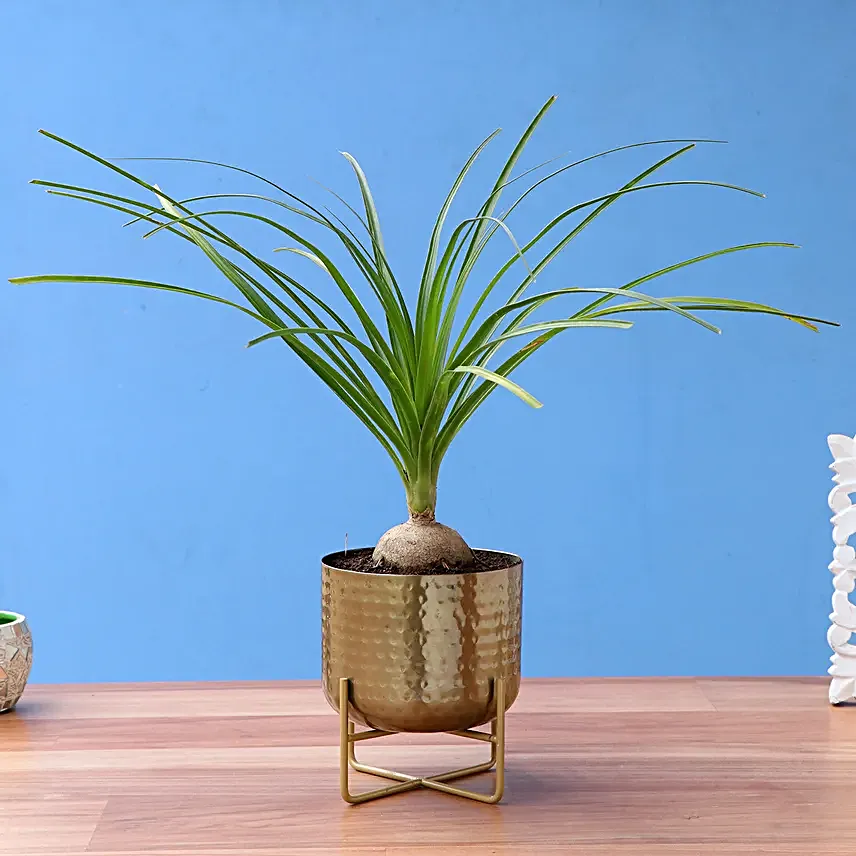
Nolina Bonsai Care: A Complete Guide for Beginners & Collectors
Nolina, commonly known as Ponytail Palm or Beaucarnea Recurvata, is one of the most fascinating and visually striking bonsai-style plants available today. With its swollen trunk base (caudex), thin arching leaves, and slow-growing nature, it adds elegance to any indoor or outdoor space. Despite its unique appearance, Nolina is known for being exceptionally hardy, which makes caring for Nolina Bonsai easy, even for beginners.
This comprehensive guide covers everything you need to know — from ideal light and watering habits to soil mix, repotting, pruning, styling, and troubleshooting. Whether you’re a new plant parent or a bonsai enthusiast, this blog will help you confidently master Nolina Bonsai care.
What Makes Nolina Bonsai Unique?

Nolina isn’t a true bonsai in the traditional sense, but its natural structure makes it perfect for bonsai-style shaping. Its distinctive features include:
- A bulbous trunk base that stores water
- Thin, cascading, ribbon-like leaves
- Extremely slow growth
- High tolerance to drought
- Natural resistance to pests
- Long life span with minimal upkeep
These characteristics are why many plant enthusiasts consider it one of the easiest plants for both indoor decor and bonsai display — and why Nolina Bonsai care is widely recommended for beginners.
Light Requirements for Nolina Bonsai Care

Light is one of the most important factors in ensuring healthy growth.
Ideal Light Conditions
- Nolina prefers bright, indirect sunlight.
- It can tolerate direct morning sunlight but avoid harsh afternoon sun indoors.
- Outdoors, partial shade is ideal.
Signs of Incorrect Lighting
- Too little light: elongated leaves, thin trunk, slow or weak growth
- Too much direct sun: brown leaf tips, sunburn spots
A window with filtered sunlight or sheer curtains works perfectly for good Nolina Bonsai care.
Watering Guide: The Most Important Part of Nolina Bonsai Care

Nolina stores water in its trunk, so overwatering is the biggest mistake people make.
Watering Rules
- Water only when the top 50–70% of the soil is completely dry.
- Deeply soak the soil and let excess water drain out.
- Reduce watering in winter as growth slows down.
What to Avoid
- Never allow the plant to sit in water.
- Do not water on a fixed schedule — always check the soil first.
- Avoid misting the leaves; it doesn’t need humidity.
This drought-tolerant plant thrives on neglect, making watering a simple part of Nolina Bonsai care.
Soil Mix & Pot Selection
Best Soil for Nolina Bonsai
To support a healthy root system:
- Use a fast-draining mix
- Ideal soil combination:
- 50% cactus/succulent mix
- 25% coarse sand or perlite
- 25% pumice or small gravel
A well-draining soil prevents root rot, which is crucial for proper Nolina Bonsai care.
Best Pot Type
- Use a pot with multiple drainage holes
- Bonsai pots, terracotta pots, or shallow ceramic pots are ideal
- Avoid deep pots, as Nolina has short roots
Pruning & Styling Guide

Although Nolina is a slow-growing plant, thoughtful pruning helps maintain its shape and aesthetics.
Leaf Trimming
- Trim brown or crispy leaf ends using clean scissors
- Shape foliage to encourage neat arches
Trunk Styling
- You cannot prune the trunk, but you can:
- Expose the caudex by removing a small layer of top soil
- Rotate the plant regularly for even shape
Shoot Growth
If you want fuller foliage:
- Provide bright light
- Avoid overwatering
- Fertilize lightly during the growing season
Styling is a key part of Nolina Bonsai care, helping maintain its miniature tree-like appearance.
Fertilizing Guide
Nolina requires very little feeding.
Best Fertilizers
- Balanced 10-10-10 or 20-20-20 diluted fertilizer
- Slow-release pellets
- Cactus fertilizer
Feeding Schedule
- Once every 4–6 weeks in growing months (spring–summer)
- No fertilizer in winter
Overfeeding can damage roots, so moderation is important in Nolina Bonsai care.
Repotting: How Often Should You Repot?

Because Nolina grows slowly, frequent repotting is unnecessary.
Repot Every:
- 3 to 4 years for young plants
- 5 to 7 years for mature plants
Signs Your Nolina Needs Repotting
- Roots coming out of the drainage holes
- Soil dries too quickly
- Caudex rising too high
When repotting, always refresh the soil with a fast-draining mix — an essential step in Nolina Bonsai care.
Common Problems & Solutions
Even though Nolina is hardy, it can face a few manageable issues.
1. Brown Leaf Tips
Causes:
- Overwatering
- Excess sunlight
- Low-quality water (tap water salts)
Solution:
- Adjust watering habits
- Move to filtered light
- Use filtered or stored water
2. Soft or Shrunken Trunk
Cause: Overwatering leading to root rot
Solution:
- Remove rotting roots
- Repot in dry, well-draining soil
- Reduce watering frequency
3. Yellow Leaves
Cause: Poor light, compacted soil, or overfeeding
Solution:
- Improve lighting
- Replace soil
- Reduce fertilizer
Handling these issues early is part of good Nolina Bonsai care.
Placement Guide: Where to Keep Your Nolina Bonsai
Best Indoor Spots
- Living room corners with bright light
- Near east or west-facing windows
- Office desks with indirect light
Outdoor Placement
- Semi-shade balconies
- Patios with morning sunlight
- Avoid heavy rain exposure
The correct location directly influences the success of your Nolina Bonsai care routine.
Benefits of Keeping a Nolina Bonsai
- Enhances indoor air quality
- Acts as a natural humidifier
- Adds a modern and elegant aesthetic
- Requires minimal care compared to most bonsai
- Long lifespan with very slow growth
- Great for beginners and busy plant lovers
Its low-maintenance nature is one of the biggest reasons Nolina Bonsai care has become so popular.
FAQs
1. Is Nolina Bonsai easy to care for?
Yes, the Nolina Bonsai (Ponytail Palm) is very easy to care for, making it an excellent choice for beginners.
2. How often should I water Nolina Bonsai?
You should water a Nolina Bonsai (Ponytail Palm, Beaucarnea recurvata) only when the soil has dried out completely, as it is a drought-tolerant succulent that stores water in its bulbous trunk. There is no fixed schedule, as the frequency depends entirely on environmental factors.
3. Can Nolina Bonsai survive in low light?
Yes, a Nolina bonsai (Ponytail Palm) can survive in low light conditions, but it will not thrive. While it can adapt, optimal growth and health require bright, indirect light.
4. Why is my Nolina getting brown tips?
Brown tips on a Nolina (ponytail palm) are often caused by low humidity, underwatering, or overwatering. Other potential causes include natural aging, mineral buildup from tap water, or excess fertilizer.
https://www.instagram.com/p/DR0-vXuERg1/?hl=en – Check this reel about Nolina Bonsai!


Leave A Comment